
Ever brought home a beautiful watermelon, cut it open and discovered it wasn't nearly as sweet as you'd hoped?
Or bought a gorgeous red mango that looked perfectly ripe but turned out to be hard and sour?
You're not alone.
Choosing fresh fruit seems simple until you're standing in front of dozens of apples, mangoes, papayas and avocados, wondering which ones are actually ready to eat.
Here's what many shoppers don't realise:
A fruit's colour, size and appearance don't always tell you how ripe or sweet it is.
A green mango can be perfectly ripe. A beautiful pineapple may not be especially sweet. And a brown-spotted banana might be exactly what you want for a smoothie.
The secret isn't knowing a magic trick. It's understanding how different fruits ripen.
From everyday Indian favourites to premium imported varieties, this guide covers 13 popular fruits, the signs worth checking and five fruit-buying myths you can safely forget.
Let's make your next fruit purchase a smarter one.
First, Understand the Difference Between Ripeness and Sweetness
Before choosing a fruit, there's one important distinction.
Ripeness and sweetness aren't exactly the same thing.
Some fruits continue changing significantly after harvest. Bananas and mangoes, for example, can become sweeter as they ripen.
Others may soften or change colour after picking without developing much additional sweetness.
Watermelons, grapes, pineapples and dragon fruit generally don't become sweeter after harvest.
This means the best fruit-buying technique depends on what you're buying.
There is no universal test that works for every fruit.
1. Mango — Don't Judge It by Its Colour
Mangoes are among India's most-loved fruits, but they're also surprisingly easy to misjudge.
Many shoppers assume that a golden-yellow or reddish mango must be ripe.
That's not always true.
How to choose a ripe mango
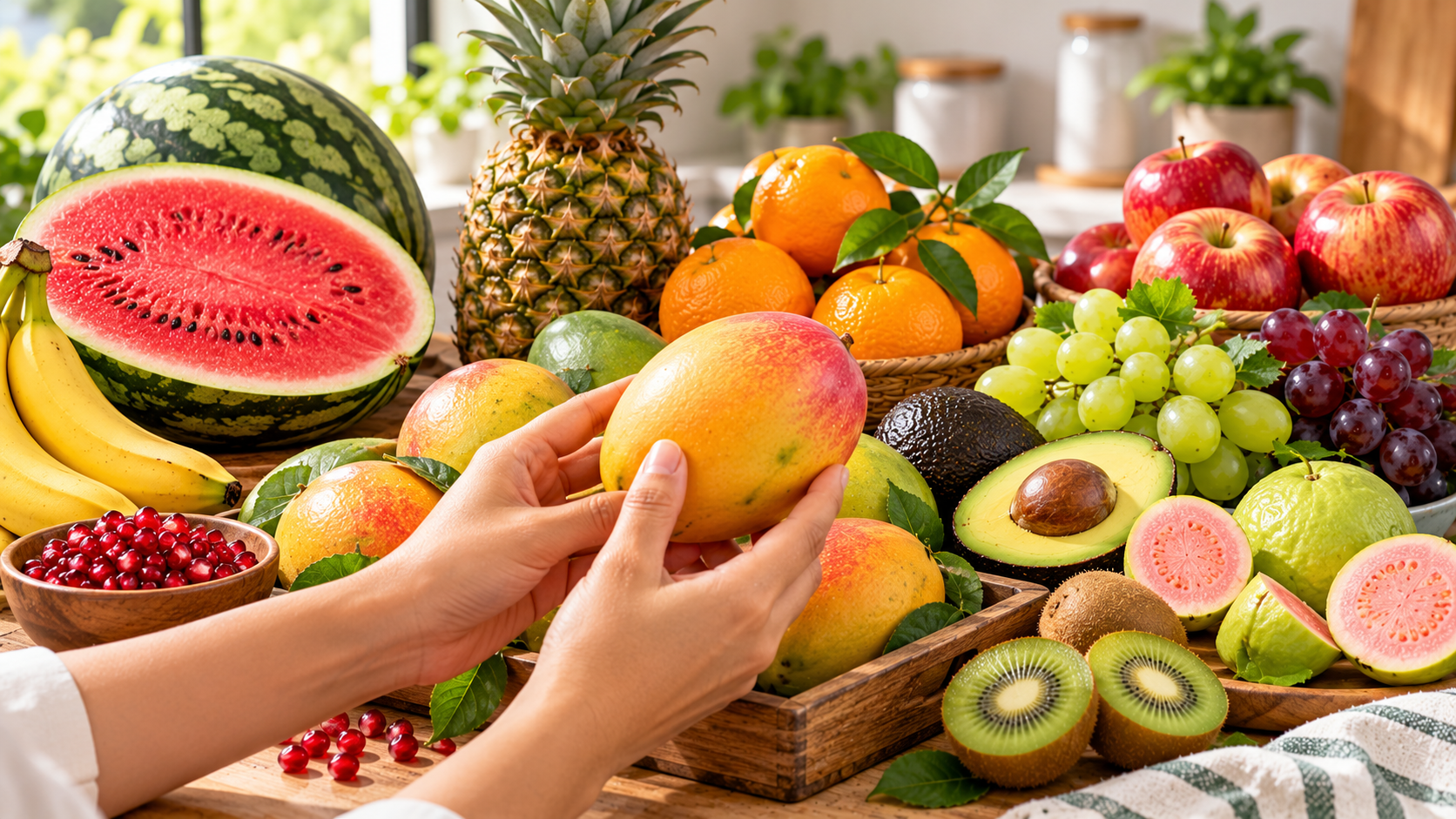
Check the feel: Hold the mango gently in your palm and apply light pressure. A ripe mango usually yields slightly without feeling mushy.
Check the aroma: A ripe mango may develop a pleasant fruity fragrance around its stem.
Check the condition: Avoid fruits with obvious decay, leaking juice or extensive damaged areas.
Different mango varieties naturally have different skin colours.
Some remain predominantly green even when ready to eat.
The smart buying trick
If you're eating mango today, choose one that yields slightly.
If you're planning to eat it in a few days, a firmer, mature mango may be more suitable.
Common myth: A red mango is always sweeter than a green mango.
Reality: Colour alone doesn't reliably indicate mango ripeness.
2. Watermelon — Look for the Yellow Spot
Watermelon is refreshing, juicy and a favourite in many Indian households.
But choosing a good whole watermelon can feel like a guessing game.
Here's what to check.
How to choose a ripe watermelon
Look for the field spot: This is the area where the watermelon rested on the ground while growing.
A creamy-yellow spot can indicate that the fruit reached a more advanced stage of maturity before harvest.
Check the weight: A watermelon that feels heavy for its size may contain plenty of water, although weight doesn't directly measure sweetness.
Inspect the rind: Choose a fruit without major cracks, soft damaged areas or visible decay.
What about tapping a watermelon?
You've probably seen someone knock on a watermelon and listen carefully.
The sound can provide clues, but interpreting it is subjective and depends on the variety.
Even experienced growers consider more than one indicator.
The smart buying trick: Look at the field spot, physical condition and overall maturity signs together instead of relying only on the tapping test.
And remember: watermelon doesn't gain additional sweetness after being picked.
3. Pineapple — Forget the Leaf-Pulling Trick
There's a popular belief that you can identify a ripe pineapple by pulling one of its crown leaves.
But this is not a reliable test of sweetness.
A pineapple's maturity and eating quality depend on several factors, including its variety and how mature it was when harvested.
How to choose a good pineapple
Check the base: Yellowing toward the base can be a useful maturity sign for some varieties, although not every ripe pineapple is completely golden.
Check the firmness: Choose one that feels firm and sound without obvious bruising or leaking.
Check the smell: A pleasant pineapple aroma can be encouraging. Avoid a sour, fermented smell.
Inspect the crown: Healthy-looking leaves are a useful quality check, but they don't prove sweetness.
The smart buying trick
Buy a pineapple that's already suitable for eating.
Unlike bananas, pineapples don't significantly increase their sugar content after harvest.
Common myth: Leaving a sour pineapple on the kitchen counter for several days will make it much sweeter.
Reality: It may change in texture and appearance, but it won't develop substantial extra sugar after picking.
4. Avocado — Your Fingers Are More Useful Than Its Colour
Buying an avocado can be frustrating.
Sometimes it's rock-hard. Sometimes it's perfectly creamy. And sometimes it becomes too soft before you get around to eating it.
How to choose a ripe avocado
Hold the avocado gently without squeezing it aggressively.
If it yields a little to gentle pressure, it may be ready to eat.
If it's very firm, it probably needs more ripening time.
If it feels excessively soft, has sunken areas or leaks, it may be damaged or overripe.
Does a dark avocado mean it's ripe?
Some varieties, especially Hass avocados, become darker as they ripen.
Others stay green.
So colour isn't a universal ripeness test.
The smart buying trick
Choose based on when you want to eat it.
-
Today: Slightly yielding to gentle pressure.
-
In a few days: Firmer, mature fruit that can ripen at home.
Tokriii pick: Explore premium avocado varieties, depending on current availability.
5. Banana — Brown Spots Aren't Always Bad
Bananas are one of the easiest fruits to buy, but it's still useful to understand their ripening stages.
How to choose bananas
Green bananas: Firmer and less sweet, with more ripening ahead.
Yellow bananas with green tips: Often a useful choice when you want to eat them over the next few days.
Fully yellow bananas: Generally sweeter and ready for snacking.
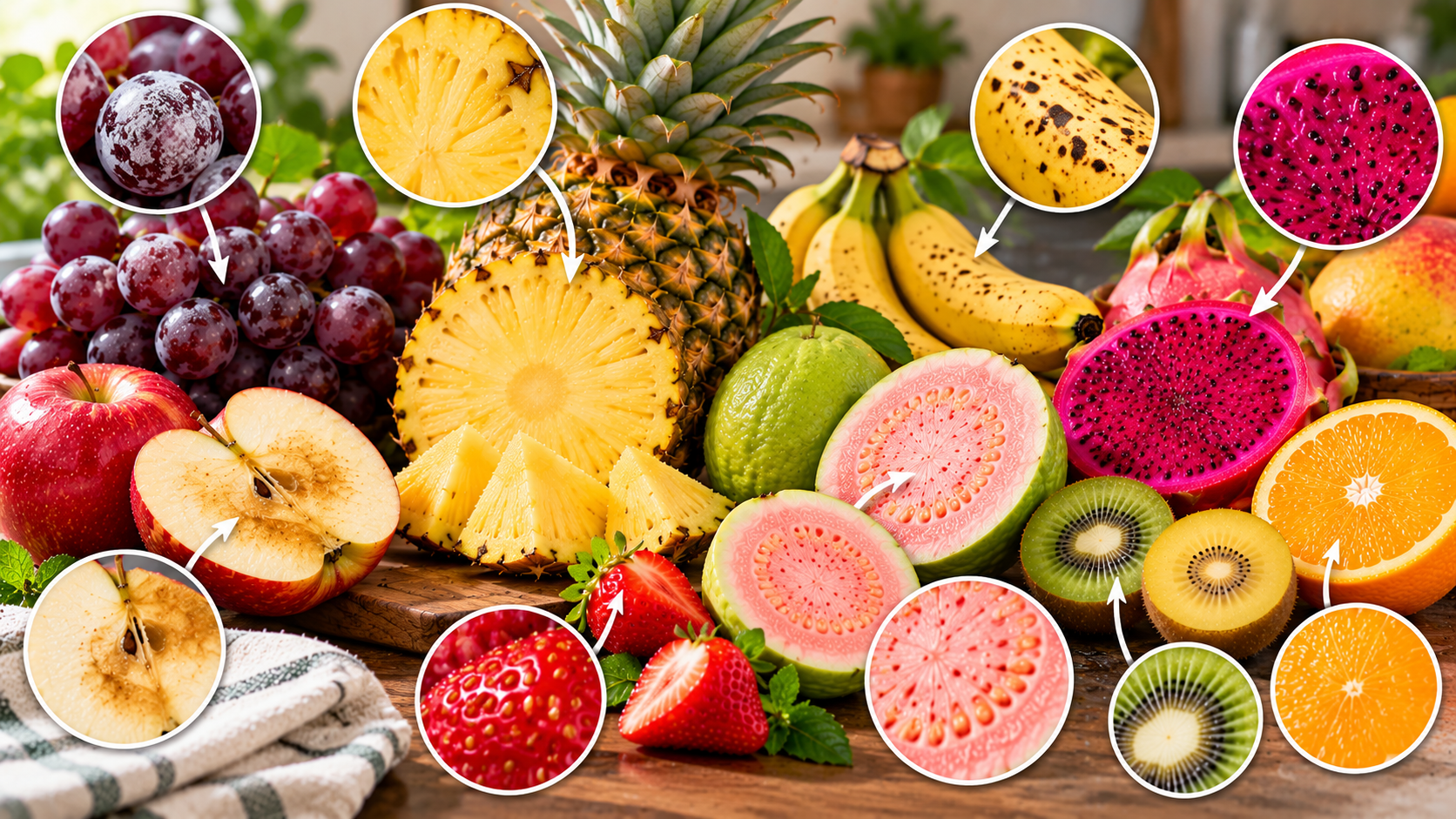
Yellow bananas with brown speckles: Usually further along in ripening and often softer and sweeter.
A few brown spots don't automatically mean a banana is spoiled.
However, leaking flesh, mould, an unpleasant fermented smell or widespread decay are reasons to discard it.
The smart buying trick
Buy bananas at different ripeness stages.
Enjoy the yellow ones first, then allow the greener ones to ripen for later.
Very ripe but wholesome bananas can also be useful for smoothies and banana pancakes.
6. Papaya — Look Beyond Just Yellow Skin
Papaya is a familiar fruit in Indian homes.
But choosing one that tastes pleasantly sweet can be tricky.
How to choose a good papaya
Look for some yellow skin development on varieties that change from green to yellow as they ripen.
Choose fruit with sound skin and no significant bruising or decay.
A papaya intended for immediate eating should generally have a little give without being mushy.
An important detail about papaya sweetness
Papaya can continue softening and changing colour after harvest.
However, research shows that papaya harvested too immature may not develop the same sweetness as fruit picked at a more advanced stage.
That means simply waiting for a very green papaya to turn yellow isn't a guarantee of excellent flavour.
The smart buying trick
For sweeter eating-quality papaya, look for appropriately mature fruit rather than relying on colour changes after purchase.
Tokriii pick: Browse the fresh fruit selection for current papaya options.
7. Pear — Try the Famous Neck Test
Pears can be confusing because different varieties have very different textures.
Some are best enjoyed soft and juicy.
Others are naturally crisp.
How to choose a ripe pear
For European-style pears that soften during ripening, there's a useful technique called the neck test.
Gently press near the stem end.
If the area yields slightly, the pear may be ready to eat.
This is often more useful than squeezing the middle, which can damage the fruit.
Important exception
Not every pear should become soft.
Some Asian-style pears are naturally crisp even when ripe.
Different pear varieties also have different colour changes.
The smart buying trick
Know the variety you're choosing and the texture you're expecting.
For a soft-ripening pear, try the neck test.
For a crisp pear variety, focus more on condition, maturity and variety-specific characteristics.
Tokriii pick: Explore premium pear selections, including Beauty and imported varieties when listed.
8. Kiwi — Gently Check the Firmness
Kiwis look quite similar on the outside, which can make selecting them difficult.
Fortunately, firmness can help.
How to choose ripe kiwi
A kiwi ready to eat generally yields slightly under gentle pressure.
A rock-hard kiwi may need additional ripening.
An extremely soft kiwi may be overripe.
Avoid fruit with obvious bruising, leaking or mould.
Green kiwi vs golden kiwi
Green kiwi often tastes sweet-tart.
Golden kiwi varieties are frequently sweeter and less acidic.
But flavour also depends on maturity and ripeness.
The smart buying trick
Choose slightly soft kiwis for immediate eating.
Choose firmer ones when planning ahead.
Tokriii pick: Find green and gold kiwi options, subject to availability.
9. Muskmelon (Kharbuja) — Follow the Fragrance
A ripe muskmelon can have a wonderful sweet aroma.
And unlike watermelon, its fragrance can be a particularly useful buying clue.
How to choose muskmelon
Check the smell: A ripe muskmelon often develops a pleasant characteristic aroma.
Check the surface: For netted varieties, the background colour beneath the netting commonly becomes creamier or more yellow as the fruit matures.
Check the blossom end: It may yield slightly to gentle pressure when ripe.
Avoid melons with deep bruises, cracks, mould, leaking flesh or a strongly fermented smell.
The smart buying trick
Use smell, firmness and variety-specific skin characteristics together.
Muskmelons may soften after harvesting, but they generally don't accumulate substantial additional sugar once picked.
Tokriii pick: Explore melons, including muskmelon and watermelon when available.
10. Pomegranate — Heavy Can Be a Good Sign
Buying pomegranate is a little mysterious because its juicy arils are hidden beneath a thick rind.
So how do you choose a good one?
How to choose pomegranate
Check the weight: A fruit that feels heavy relative to its size is often a good sign of juicy contents.
Check the rind: Choose firm, relatively taut skin without obvious decay.
Don't judge by colour alone: Pomegranate varieties can have different rind colours even when mature.
Minor surface imperfections aren't necessarily a problem, but avoid serious damage or mould.
The smart buying trick
Compare similarly sized pomegranates.
Choose fruit that feels substantial and has sound skin.
Pomegranates are generally harvested when mature rather than being expected to become significantly sweeter after purchase.
11. Grapes — Check the Entire Bunch
Grapes are wonderfully convenient, whether you're buying regular Indian varieties or premium imported ones.
But they're also among the fruits where checking a few individual pieces isn't enough.
How to choose good grapes
Look for grapes that are generally plump, intact and appropriate in colour for their variety.
Check the bunch for shrivelled, leaking or mouldy berries.
Inspect the stems and fruit attachment points for excessive deterioration.
A natural pale, powdery-looking coating on grapes can be harmless and is known as bloom. It isn't automatically dirt or mould.
The smart buying trick
Check grapes from different parts of the bunch, not just the most attractive berries on top.
Since grapes don't significantly become sweeter after harvest, selecting a good-quality bunch matters.
Tokriii pick: Explore fresh grapes or premium imported grape varieties.
12. Apples — Shiny Doesn't Mean Sweet
A beautiful red apple looks tempting.
But red colour, perfect shine and large size don't guarantee sweetness or freshness.
Apple varieties naturally differ in flavour.
Some are sweet and mellow. Others are tart, crisp or more aromatic.
How to choose good apples
Pick apples that feel firm and have intact skin.
Avoid major bruises, soft patches, leaking or visible decay.
Compare varieties based on your taste preference instead of appearance alone.
A few harmless skin markings may be cosmetic rather than signs of poor quality.
The smart buying trick
Choose the right variety for how you plan to enjoy it.
For snacking: Select a variety whose sweetness and crunch you like.
For fruit salads: Choose an apple with a firm texture that holds up well when sliced.
For cooking: Choose a variety suited to heating or baking.
Tokriii pick: Browse premium apples, including Gala, Pink Lady and Washington selections when available.
13. Dragon Fruit — Colour Helps, But Variety Matters
Dragon fruit has one of the most distinctive appearances in the fruit world.
With its striking skin and colourful flesh, it's easy to assume that a brighter fruit will always taste better.
But there's more to choosing one.
How to choose dragon fruit
Look for well-developed skin colour appropriate to the variety.
Choose a fruit that's sound and firm, without major splits, sunken areas or obvious decay.
Fresh-looking green scales can be a useful sign of good condition in many red-skinned varieties.
Avoid heavily shrivelled or damaged fruit.
The smart buying trick
Dragon fruit is generally harvested close to full ripeness because it doesn't continue ripening significantly after harvest.
So buying immature dragon fruit and waiting for it to become much sweeter isn't a reliable strategy.
Also, red-fleshed and white-fleshed dragon fruits have different characteristics, but flesh colour alone doesn't guarantee taste.
Tokriii pick: Browse exotic fruit varieties.
Quick Cheat Sheet: How to Pick 13 Popular Fruits
Save this table before your next fruit-shopping trip.
| Fruit | What to check first |
|---|---|
| Mango | Gentle softness and fruity aroma |
| Watermelon | Creamy-yellow ground spot |
| Pineapple | Maturity colour, firmness and condition |
| Avocado | Slight yield to gentle pressure |
| Banana | Peel colour and intended eating date |
| Papaya | Appropriate maturity and yellowing |
| Pear | Gentle neck test for soft-ripening varieties |
| Kiwi | Slight softness |
| Muskmelon | Pleasant aroma and rind characteristics |
| Pomegranate | Heavy for size, firm rind |
| Grapes | Plump berries without decay |
| Apple | Firmness and variety |
| Dragon fruit | Mature skin colour and sound condition |
Remember: These are useful indicators, not guarantees. Variety, harvest maturity and storage conditions all influence eating quality.
5 Fruit-Buying Myths You Should Stop Believing
The internet is full of fruit hacks.
Some have a little truth behind them. Others are simply unreliable.
Myth 1: A red mango is always ripe.
Not true.
Mango varieties differ in skin colour, and red blush can result from sun exposure rather than ripeness.
Check texture and aroma instead.
Myth 2: Knocking on a watermelon guarantees it's sweet.
Not true.
Tapping can provide a clue, but sound interpretation is subjective.
Look at several indicators together. Even then, you can't know the exact sweetness without tasting or testing the flesh.
Myth 3: Pulling a pineapple leaf tells you how sweet it is.
Not reliably.
A loose leaf isn't a dependable measurement of the pineapple's sugar content.
Focus on the whole fruit's maturity and condition.
Myth 4: The biggest fruit is always the sweetest.
No.
Size is influenced by variety, growing conditions and other factors.
A smaller fruit may taste better than a larger one.
Myth 5: Every fruit becomes sweeter if you leave it on the counter.
Definitely not.
Bananas and mangoes can become sweeter as they ripen.
Watermelons, grapes, pineapples and dragon fruit generally don't develop significant additional sweetness after harvesting.
This is one of the most useful distinctions for reducing disappointing purchases.
What Should You Do When You Buy Fruit That Isn't Ripe Yet?
First, identify whether the fruit can continue ripening properly after harvest.
For mature but firm mangoes, bananas, avocados and many pears, keeping them at an appropriate room temperature may help them ripen.
Check daily, particularly in warm Indian weather.
Once ripe, refrigeration can help slow further softening for suitable fruits.
For fruits such as watermelon or pineapple, simply waiting on the counter won't add meaningful sweetness.
The better approach is to buy the right maturity for your plans.
Choose ready-to-eat fruit when you need it today.
Choose appropriately mature fruit that can ripen further when planning meals for later in the week.
How to Choose Fresh Fruits When Shopping Online
You can't personally squeeze an avocado or smell a mango when shopping online.
But you can still make better decisions.
1. Check the exact product name
Different varieties offer different flavours, textures and sizes.
A Gala apple and a green apple won't necessarily taste the same.
2. Read the listed pack weight or quantity
Some fruits are sold individually, while others come in packs or by weight.
Always know what you're ordering.
3. Consider your planned eating date
Some fruits are best enjoyed immediately.
Others may need time to ripen.
If ripeness options are offered by a seller, choose according to when you plan to eat the fruit.
4. Inspect your order when it arrives
Check the condition of your produce promptly.
Fruits naturally vary in size, colour and shape, but visible spoilage or significant damage should be reported.
5. Follow the seller's current policies
Before ordering, review delivery availability, product details and applicable support or refund policies.
At Tokriii, you can browse seasonal, fresh, premium, imported and exotic fruit categories in one place.
Explore the complete Tokriii fruit collection to see currently listed varieties and pack sizes.
A Quick Note on Washing and Food Safety
A fresh-looking fruit isn't necessarily free from harmful microorganisms.
Before preparing or eating fresh produce:
-
Wash your hands and use clean utensils.
-
Rinse fruit thoroughly under running water.
-
Wash even the fruits you'll peel, such as mangoes and melons, before cutting.
-
Don't use soap or household detergents to wash produce.
-
Refrigerate cut fruit promptly.
-
Discard produce showing signs of rot.
These habits are important whether you're buying from a neighbourhood market or an online fruit store.
Frequently Asked Questions About Choosing Ripe Fruits
How can I tell if a fruit is sweet without cutting it?
There is no completely reliable universal method. Look for fruit-specific maturity indicators such as firmness, aroma and rind colour. Variety, harvesting conditions and storage also affect sweetness.
How do I choose a sweet watermelon?
A creamy-yellow field spot can be a helpful sign of harvest maturity. Also inspect the rind and overall condition. Tapping alone cannot guarantee sweetness.
How do I know whether a mango is ripe?
A ripe mango generally yields slightly under gentle pressure and may have a fruity aroma near the stem. Skin colour alone is unreliable because mango varieties look different.
Is an avocado ripe when it turns black?
Some varieties, especially Hass, darken during ripening. Others remain green. Gently checking firmness is usually more useful than depending on colour alone.
Do bananas become sweeter as they ripen?
Yes. During normal ripening, much of the starch in bananas is converted into soluble sugars. That's why ripe bananas generally taste sweeter than green bananas.
Can pineapple become sweeter after buying it?
Not significantly. Pineapple is a non-climacteric fruit and should be harvested at suitable maturity. Leaving it on the counter won't meaningfully increase its sugar content.
Should I wash fruits with baking soda, vinegar or soap?
For ordinary consumer food-safety guidance, rinsing produce thoroughly under running water is the standard recommendation. The US FDA specifically advises against soap, detergent and commercial produce washes.
Which fruits should I buy for the entire week?
A practical mix could include apples and grapes for refrigeration, plus mature bananas, pears or avocados that can ripen over the next few days. Adjust quantities to your household and storage conditions.
Better Fruit Shopping Starts with a Little Knowledge
Buying fresh fruit shouldn't feel like a lottery.
You don't need expensive gadgets or complicated tricks.
You simply need to know what makes each type of fruit different.
A mango may need a gentle squeeze.
A watermelon may reveal a useful clue through its field spot.
A pear might be ready when its neck softens.
And a ripe pineapple should already be worth eating—not something you're hoping will become sweeter next week.
The more you understand these little details, the easier it becomes to shop with confidence and enjoy the fruit you bring home.
Discover Your Next Favourite Fruit with Tokriii
At Tokriii, we offer a selection of everyday favourites, seasonal fruits and premium imported varieties.
Whether you're choosing apples for a family snack, avocado for breakfast, kiwi for a colourful fruit bowl or watermelon for a refreshing afternoon, start by exploring what suits your taste and plans.
Browse current product details and check delivery availability at Tokriii.com.
Fresh fruit tastes even better when you know how to choose it.
And now that you know these 13 tips, there's one question worth sharing with your family:
Which fruit have you been choosing the wrong way all this time?
Sources and Further Reading
This is general fruit-buying guidance. Variety, origin, harvest maturity, handling and storage can affect ripeness, sweetness, appearance and shelf life. No external test guarantees flavour.