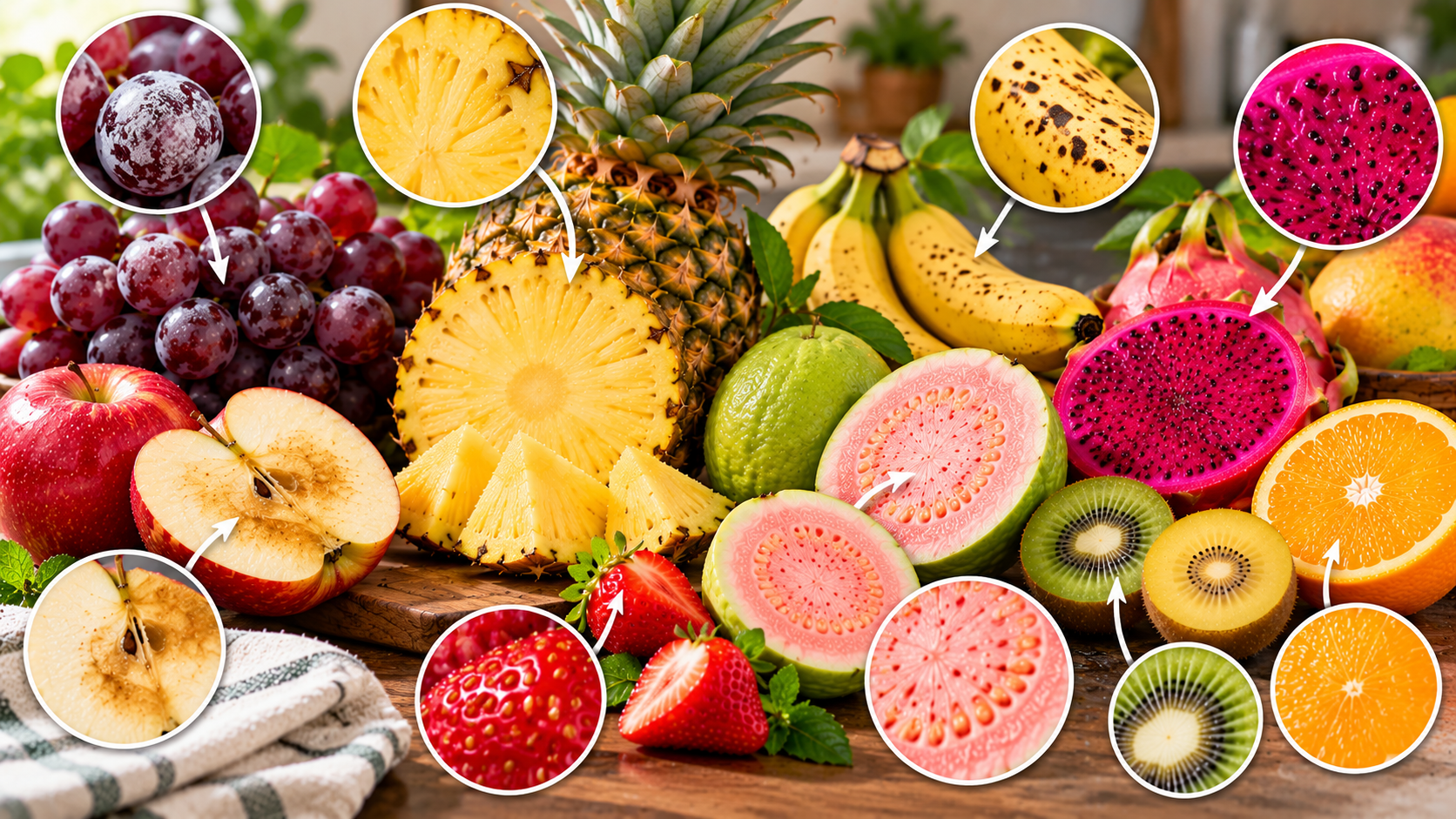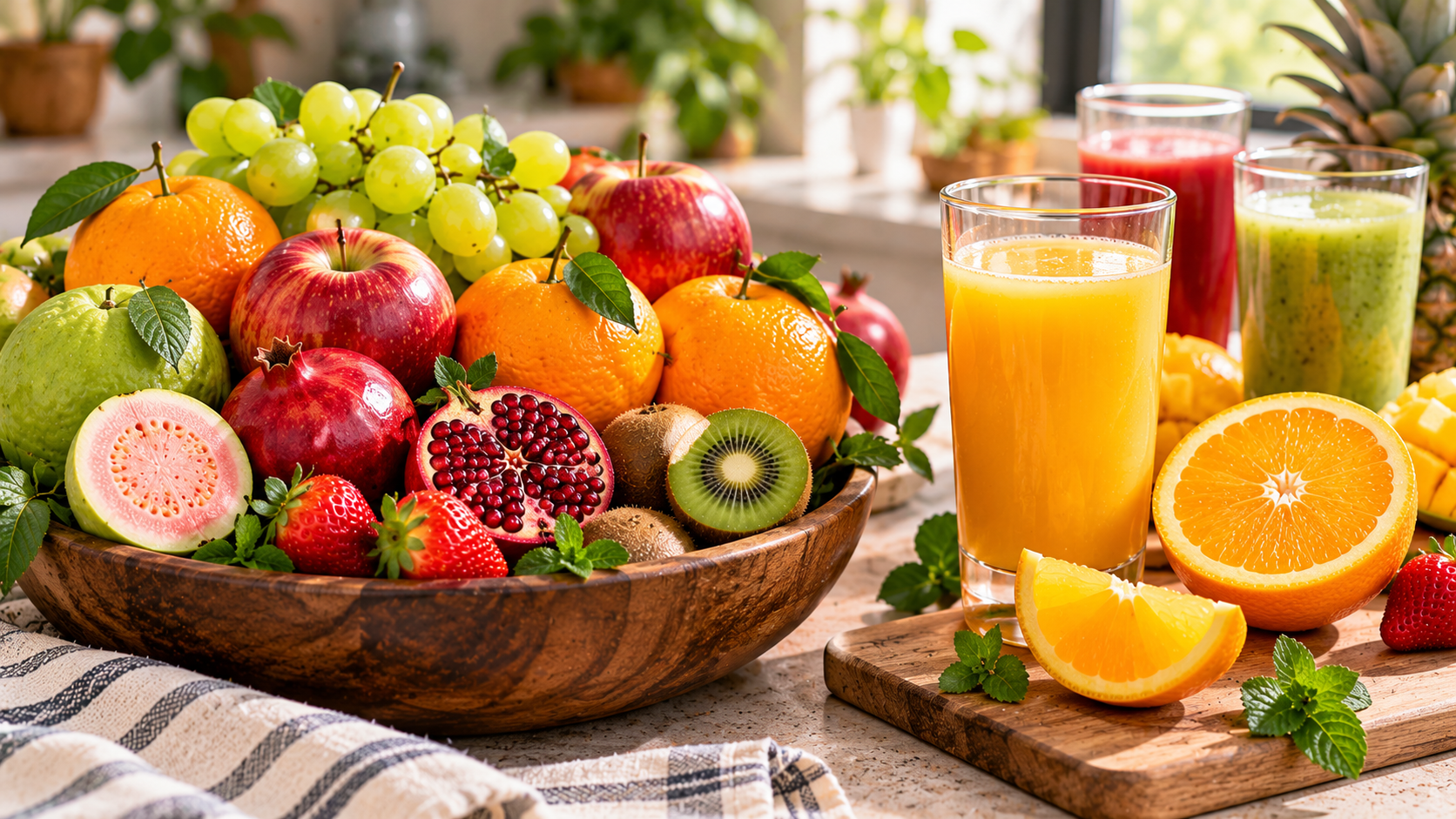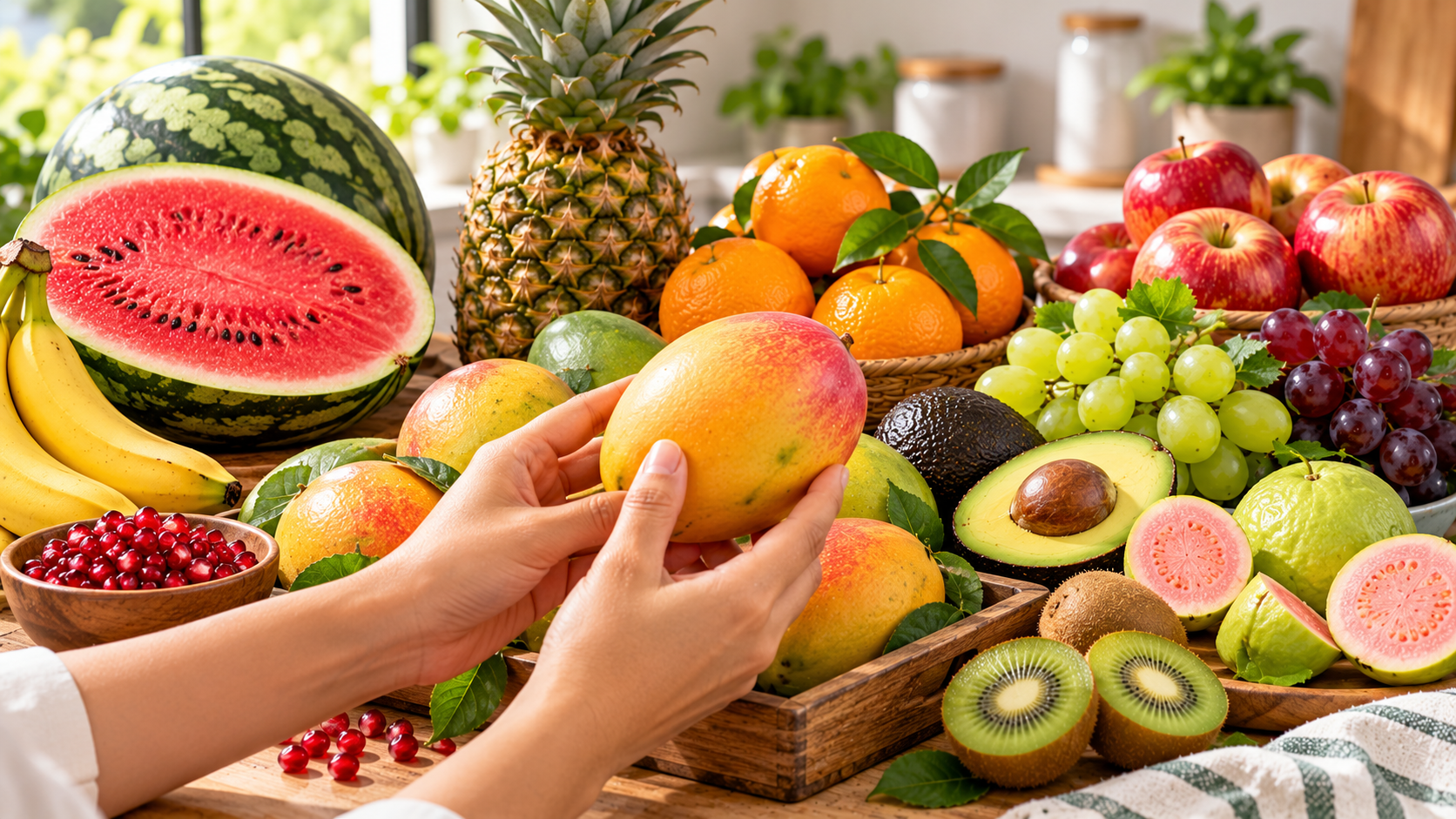

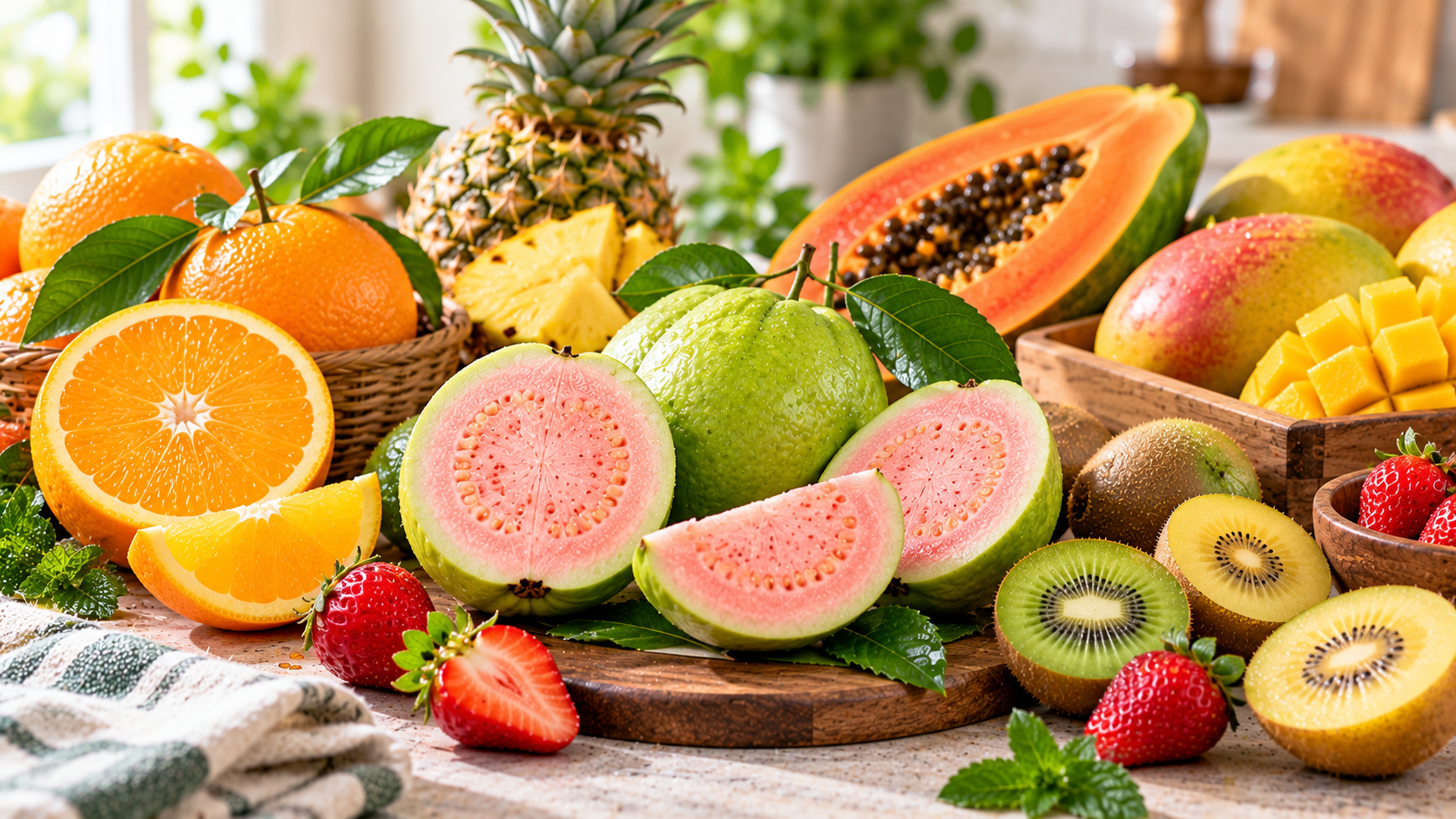
When someone mentions vitamin C, what's the first fruit that comes to mind?
Probably an orange.
For years, oranges have been the poster child for vitamin C. From breakfast conversations to advertisements, we've heard that citrus fruits are among the best ways to get this essential nutrient.
But what if we told you that a familiar Indian fruit could provide more than four times as much vitamin C as an orange, gram for gram?
And no, it's not an expensive imported superfruit.
It's the humble guava (amrood).
That's right. The fruit you've probably enjoyed with a sprinkle of chaat masala can be an exceptionally rich source of vitamin C.
But how do other favourites like kiwi, papaya, pineapple, strawberries and mango compare?
Let's look at the numbers, separate nutrition facts from social-media myths, and discover seven delicious fruits worth adding to your shopping basket.
Which Fruit Has the Most Vitamin C? The Surprising Comparison
Before getting into the details, here's a comparison worth saving.
The following figures are approximate vitamin C values for 100 grams of raw, edible fruit, based on standard food-composition records.
| Fruit | Vitamin C per 100 g |
|---|---|
| Guava (Amrood) | 228 mg |
| Green kiwi | 93 mg |
| Papaya | 61 mg |
| Strawberry | 59 mg |
| Orange | 53 mg |
| Pineapple | 48 mg |
| Mango | 36 mg |
The surprise?
In these reference values, guava provides more than four times the vitamin C found in the same weight of orange.
Green kiwi also provides substantially more vitamin C per 100 grams than a common orange.
But there's something important to remember.
These are representative food-composition values, not exact measurements of every fruit sold in India.
Vitamin C amounts change with the variety, ripeness, growing conditions, storage and preparation.
The ranking is useful for understanding nutrition, but it doesn't mean one individual guava or kiwi will always contain a precisely fixed amount.
And choosing fruit isn't only about vitamin C. Taste, fibre, other nutrients, affordability and variety matter too.
1. Guava: India's Underrated Vitamin C Superstar
Approximate vitamin C: 228 mg per 100 g
Let's start with the biggest surprise on our list.
Guava is widely enjoyed across India, particularly during the cooler months in many northern regions.
You may know it as amrood—the fruit that tastes wonderful sliced into wedges with a little roasted cumin and chaat masala.
But guava is much more than a delicious street-style snack.
Why is guava special?
Common raw guava ranks exceptionally high in vitamin C in standard food-composition databases.
It also contributes dietary fibre and other nutrients.
That makes it a useful choice for people looking to include more nutritious whole fruits in their everyday diet.
How to enjoy guava
You don't need a complicated recipe.
Wash the fruit thoroughly, cut it into wedges and enjoy it fresh.
For a delicious Indian twist, try:
-
A tiny pinch of roasted cumin.
-
A few drops of fresh lime juice.
-
A little chaat masala, if preferred.
The tangy seasoning contrasts beautifully with ripe guava's natural sweetness.
The Tokriii tip
Different guava varieties can have different textures.
Some are crisp and mild, while others are softer and more aromatic.
Choose the type you enjoy rather than assuming that one colour or variety must always be nutritionally superior.
Explore: Premium fruits at Tokriii, where Thai Guava and Thai Pink Guava have been listed.
2. Kiwi: The Small Fruit with an Impressive Nutrition Profile
Approximate vitamin C: 93 mg per 100 g for green kiwi
Kiwi is one of those fruits that doesn't reveal its beauty until you cut it open.
Beneath the brown, slightly fuzzy skin is vibrant green flesh dotted with tiny black seeds.
And along with its refreshing sweet-tart flavour, kiwi offers a useful amount of vitamin C.
Green kiwi vs golden kiwi: which is better?
Both can contribute vitamin C.
However, they aren't nutritionally identical.
Some golden varieties have higher vitamin C concentrations than typical green kiwi varieties.
For example, USDA food-composition records include a specific Zespri SunGold kiwifruit entry with a higher vitamin C value than the reference entry for green kiwi.
That doesn't mean every gold kiwi is identical or that its vitamin C level can be guaranteed by appearance.
How to enjoy kiwi
Slice a ripe kiwi in half and scoop out the flesh with a spoon.
Or peel and add slices to plain curd, overnight oats or a fresh fruit bowl.
Try this: Combine kiwi slices with blueberries and pomegranate arils.
The colours make the bowl look beautiful, and you get to enjoy several different fruit flavours.
Explore: Imported fruits at Tokriii, including green and gold kiwi selections when available.
3. Papaya: A Familiar Fruit with More Vitamin C Than You Might Expect
Approximate vitamin C: 61 mg per 100 g
Papaya is a regular part of breakfast in many Indian households.
Its soft texture, natural sweetness and beautiful orange flesh make it easy to enjoy.
But did you know that papaya can also provide a substantial amount of vitamin C?
In standard food-composition data, raw papaya contains slightly more vitamin C per 100 grams than the reference value for a common orange.
What else makes papaya interesting?
Papaya provides carotenoids and other nutrients in addition to vitamin C.
Its naturally soft texture makes it convenient for many fruit bowls and breakfast recipes.
How to enjoy papaya
Cut ripe papaya into cubes.
Add a little fresh lime juice if you like a tangy flavour.
You can also serve it alongside banana slices or add it to plain curd.
The Tokriii tip: Choose papaya according to when you plan to eat it. A mature, ripe papaya is generally more enjoyable for immediate snacking than a very firm, unripe one.
Explore: Fresh fruits at Tokriii, including papaya options when available.
4. Strawberries: Sweet, Tangy and Surprisingly Nutritious
Approximate vitamin C: 59 mg per 100 g
Strawberries are often associated with desserts, cakes and milkshakes.
But these beautiful red berries are also a useful source of vitamin C.
Their natural sweet-tart flavour makes them a refreshing snack without requiring added sugar.
Are strawberries better than oranges?
Per 100 grams, the standard reference value for strawberries is slightly higher than that of common raw oranges.
But that doesn't make strawberries universally better.
Oranges and strawberries have different flavours, nutrient profiles and practical serving sizes.
A balanced diet benefits from variety.
How to enjoy strawberries
Wash strawberries gently under running water shortly before eating.
Remove the leafy top and serve them fresh.
Or slice them into a bowl of plain unsweetened curd.
Try this: Add fresh strawberry slices to a fruit platter with golden kiwi and orange segments.
It's a colourful combination that's especially appealing when strawberries are in season.
5. Orange: The Classic Vitamin C Favourite Still Deserves Its Reputation
Approximate vitamin C: 53 mg per 100 g
After discovering that guava contains more vitamin C, you might wonder:
"Does that mean oranges are overrated?"
Not at all.
Oranges remain a good source of vitamin C and are convenient, refreshing and widely enjoyed.
The fact that another fruit contains more of one nutrient doesn't make oranges a poor choice.
Why oranges are still valuable
Oranges provide vitamin C along with water, fibre and other naturally occurring nutrients when eaten whole.
Their familiar flavour also makes them an easy addition to daily fruit habits.
Whole orange or orange juice?
Both can provide vitamin C.
However, a whole orange generally retains more dietary fibre than strained juice.
Eating the segments also gives you the pleasure of the fruit's natural texture.
How to enjoy oranges
Peel and eat fresh orange segments.
Add them to a salad with pomegranate and guava.
Or combine the segments with chopped mint for a simple refreshing snack.
The Tokriii tip: Don't assume an orange must have a perfectly uniform skin colour to be good. Variety, maturity and growing conditions all affect appearance.
Explore: Imported fruit selections, including listed citrus varieties subject to availability.
6. Pineapple: Tropical Flavour with a Useful Amount of Vitamin C
Approximate vitamin C: 48 mg per 100 g
Pineapple is one of the most distinctive tropical fruits.
It combines natural sweetness with a refreshing acidity that makes it delicious on its own or as part of a fruit platter.
It's also a source of vitamin C.
What makes pineapple interesting?
Beyond vitamin C, pineapple contains other natural compounds, including a mixture of enzymes commonly referred to as bromelain.
However, eating pineapple shouldn't be presented as a treatment or cure for medical conditions.
Its strongest everyday appeal is simple: it's delicious and can contribute to a varied diet.
How to enjoy pineapple
Cut fresh pineapple into small cubes.
Serve chilled, add it to fruit chaat or pair it with papaya.
Try this tropical bowl:
Mix pineapple, papaya and a few mint leaves.
Add a squeeze of lime only if the pineapple isn't already sufficiently tart.
Explore: Fresh fruit options at Tokriii, including pineapple when available.
7. Mango: Not the Highest in Vitamin C, but Still a Favourite
Approximate vitamin C: 36 mg per 100 g
No Indian fruit guide feels complete without mango.
Known for its rich aroma, soft flesh and extraordinary range of varieties, mango holds a special place in Indian food culture.
Although mango doesn't top this particular vitamin C comparison, it still contributes vitamin C.
It also provides other nutrients, including carotenoids.
Does that mean mango is less healthy than guava?
No.
Food quality isn't determined by a single vitamin.
Guava provides more vitamin C per 100 grams in this comparison, but mango contributes different nutrients and provides a distinct eating experience.
Both can have a place in a varied diet.
How to enjoy mango
When mango is in season, enjoy ripe slices fresh.
Add pieces to plain curd or make a smoothie without unnecessary added sugar.
For an interesting combination, try mango with chilled papaya.
The Tokriii tip: Choose mango by variety, ripeness and planned eating date rather than assuming that the reddest fruit is always the sweetest.
Why Does Your Body Need Vitamin C?
Now that we've compared the fruits, it's worth understanding what vitamin C actually does.
Vitamin C, also called ascorbic acid, is an essential water-soluble vitamin.
Your body needs it for several normal biological functions.
1. It helps your body produce collagen
Collagen is a structural protein found in skin, connective tissue and other parts of the body.
Vitamin C is necessary for normal collagen synthesis.
This is one reason adequate vitamin C intake matters for tissue maintenance and wound healing.
However, eating large amounts of vitamin C-rich fruit won't automatically remove wrinkles, dark spots or other skin concerns.
2. It supports normal immune function
Vitamin C is involved in the normal functioning of the immune system.
But it's important to distinguish supporting normal immunity from guaranteeing protection against illness.
Eating a guava or orange cannot guarantee that you won't catch a cold.
A healthy immune system depends on many factors, including adequate nutrition, sleep and overall health.
3. It helps absorb iron from plant foods
This is especially useful in Indian diets.
Vitamin C helps improve the absorption of non-heme iron, the type of iron found in plant-based foods.
For example, you could enjoy vitamin C-rich fruit as part of a meal that includes dal, chickpeas or other plant-based iron sources.
This doesn't replace medical treatment for iron deficiency, but it shows why food combinations can matter.
4. It acts as an antioxidant
Vitamin C has antioxidant functions in the body.
It participates in normal processes that help protect cells against oxidative damage.
However, antioxidant activity doesn't mean a particular fruit can prevent or cure every disease.
The best approach is to focus on a balanced, varied diet.
Does More Vitamin C Always Mean Better Health?
Here's a myth worth clearing up.
If one guava provides plenty of vitamin C, eating five guavas doesn't automatically provide five times the health benefit.
Your body has biological limits on how it absorbs, uses and handles nutrients.
Your vitamin C needs also depend on factors such as age, life stage and health.
Eating a varied selection of foods is generally more useful than trying to maximise one nutrient at every meal.
And if you're considering high-dose vitamin C supplements, remember that supplements may not be appropriate for everyone and can sometimes cause unwanted effects.
For most healthy people, vitamin C-rich fruits and vegetables are a practical starting point.
How to Enjoy Vitamin C-Rich Fruits Without Complicating Your Diet
You don't need an expensive nutrition plan.
Simple everyday habits can help.
Breakfast: Papaya and Kiwi Bowl
Combine chopped papaya with ripe kiwi slices.
Add plain curd or enjoy the fruit on its own.
Mid-Morning Snack: Fresh Guava
Enjoy a washed, ripe guava cut into wedges.
Add a tiny pinch of roasted cumin if preferred.
Afternoon: Orange Segments
Choose a whole orange rather than automatically turning every orange into juice.
Weekend Treat: Tropical Fruit Bowl
Mix fresh pineapple and seasonal mango with mint.
Keep the preparation simple so the natural flavours remain the focus.
You don't need to eat all these fruits every day.
Choose what is available, affordable and enjoyable for your household.
5 Common Vitamin C Myths You Should Stop Believing
Myth 1: Oranges have more vitamin C than every other fruit.
Reality: Guava and green kiwi have higher reference vitamin C concentrations per 100 grams than common raw oranges.
Myth 2: Imported fruits are always more nutritious.
Reality: Origin and price alone don't determine nutritional value. Affordable Indian fruits such as guava and papaya can be excellent nutrient sources.
Myth 3: More vitamin C guarantees better immunity.
Reality: Vitamin C supports normal immune function, but no fruit guarantees protection from colds or infections.
Myth 4: All vitamin C disappears when fruit is cut.
Reality: Vitamin C may decrease with prolonged storage, heat or other processing, but cutting fruit doesn't instantly remove all its vitamin C.
Myth 5: You need vitamin C supplements even if you eat fruit regularly.
Reality: Many people can meet their vitamin C needs through a varied diet. Supplements may be useful in certain situations, but they're not automatically necessary for everyone.
How to Preserve Vitamin C When Preparing Fruit
Vitamin C can be affected by heat, prolonged storage and food preparation.
Fortunately, a few practical habits can help preserve fruit quality.
Choose sound, fresh produce. Avoid obviously spoiled or damaged fruits.
Store fruits appropriately. Some fruits need refrigeration, while others may need to ripen first.
Wash before cutting. Rinse whole fruits under running water and use clean utensils.
Prepare close to serving. This helps maintain the fruit's texture and reduces unnecessary exposure after cutting.
Avoid unnecessary prolonged heating. Many vitamin C-rich fruits are delicious eaten fresh.
Refrigerate cut fruit promptly. Food safety matters just as much as nutrient preservation.
There is no need to become obsessed with tiny changes in nutrient content.
The goal is to make fresh fruit an enjoyable, regular part of your meals.
Frequently Asked Questions About Vitamin C Fruits
Which fruit has the highest vitamin C in India?
Several fruits contain high amounts of vitamin C, including amla and guava. Among the seven common fruits in this comparison, guava has the highest reference value, at approximately 228 mg per 100 grams of raw edible fruit.
Does guava really have more vitamin C than orange?
Yes, in the standard food-composition records used here. Common raw guava contains approximately 228 mg of vitamin C per 100 grams, compared with approximately 53 mg for common raw orange. Actual values vary by variety and other factors.
Is kiwi richer in vitamin C than orange?
Green kiwi typically contains more vitamin C per 100 grams than common orange in the referenced data. Some golden kiwi varieties may contain even more.
Is papaya a good source of vitamin C?
Yes. Raw papaya has an approximate reference value of 61 mg of vitamin C per 100 grams.
Which is better for vitamin C: mango or orange?
Common raw orange has a higher vitamin C concentration per 100 grams in the cited reference data, but mango provides vitamin C and other nutrients too.
Does vitamin C make your skin glow?
Vitamin C is necessary for normal collagen formation and tissue health. But eating more vitamin C doesn't guarantee glowing skin or treat pigmentation. Skin appearance is influenced by many factors.
Can vitamin C prevent colds?
Adequate vitamin C supports normal immune function. However, evidence does not show that taking extra vitamin C prevents common colds in most people.
Is it better to eat fruit or drink fruit juice?
Whole fruit generally retains more dietary fibre than strained juice. It is usually the better everyday choice, while a modest serving of juice can still fit into a balanced diet.
Are the vitamin C numbers the same for every variety?
No. Standard nutrition databases provide representative values. Individual fruits may differ because of variety, growing conditions, maturity, storage and preparation.
Where can I buy vitamin C-rich fruits online?
Online fruit stores may offer guava, kiwi, papaya, oranges, pineapple and other fresh fruits. At Tokriii.com, you can explore currently listed varieties, pack sizes and delivery availability for your address.
The Final Verdict: Don't Underestimate the Humble Guava
So, what have we learned?
Oranges deserve their reputation as a useful vitamin C source.
But they're far from the only option.
Guava stands out in this comparison, while kiwi, papaya, strawberries and pineapple also contribute meaningful amounts.
And familiar favourites like mango still have a place in a balanced, enjoyable diet.
The most valuable lesson isn't to eat only the fruit with the highest number. It's to enjoy a variety of whole fruits regularly.
Different fruits bring different flavours, textures and nutrients.
Some are affordable everyday staples. Others are premium treats.
Both can add something worthwhile to your fruit basket.
Build a Colourful Fruit Basket with Tokriii
At Tokriii, we bring together fresh, seasonal, premium and imported fruits in one convenient shopping destination.
From guava and papaya to green kiwi, golden kiwi, pineapple and citrus varieties, explore a selection that fits your family's preferences.
Explore Premium & Imported Fruits
Browse the Complete Tokriii Collection
Visit Tokriii.com to check the current selection and delivery availability.
And next time someone says oranges are the ultimate vitamin C fruit, you can share this surprising fact:
A familiar Indian guava can contain more than four times as much vitamin C as an orange of equal weight.
Sometimes the most interesting nutrition discoveries are already sitting in our fruit basket.
Sources and Further Reading
Nutrition figures are rounded reference values per 100 g of raw edible fruit. They are not product-specific laboratory results. This article is intended for general food and nutrition education and not as individual medical advice.