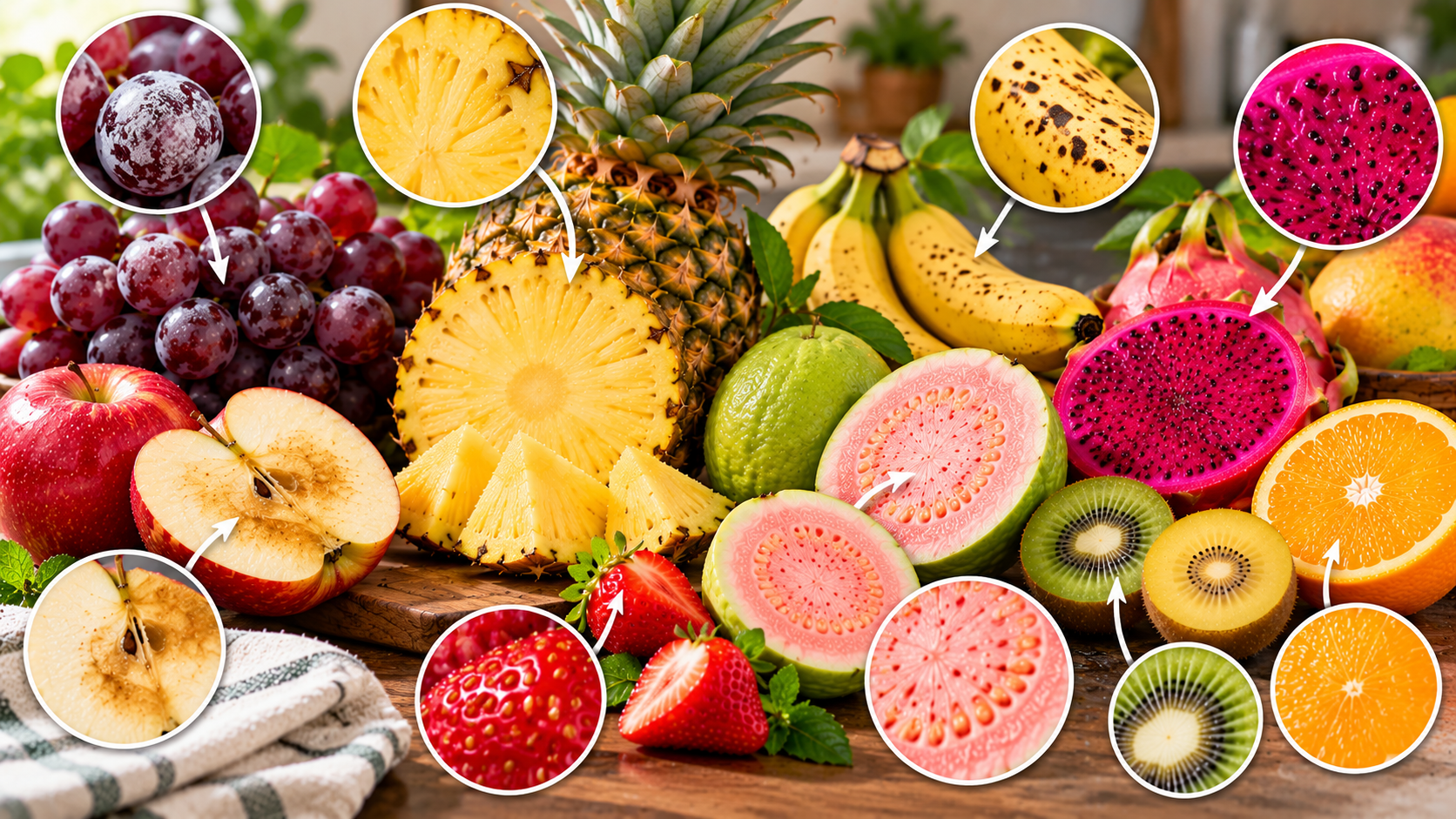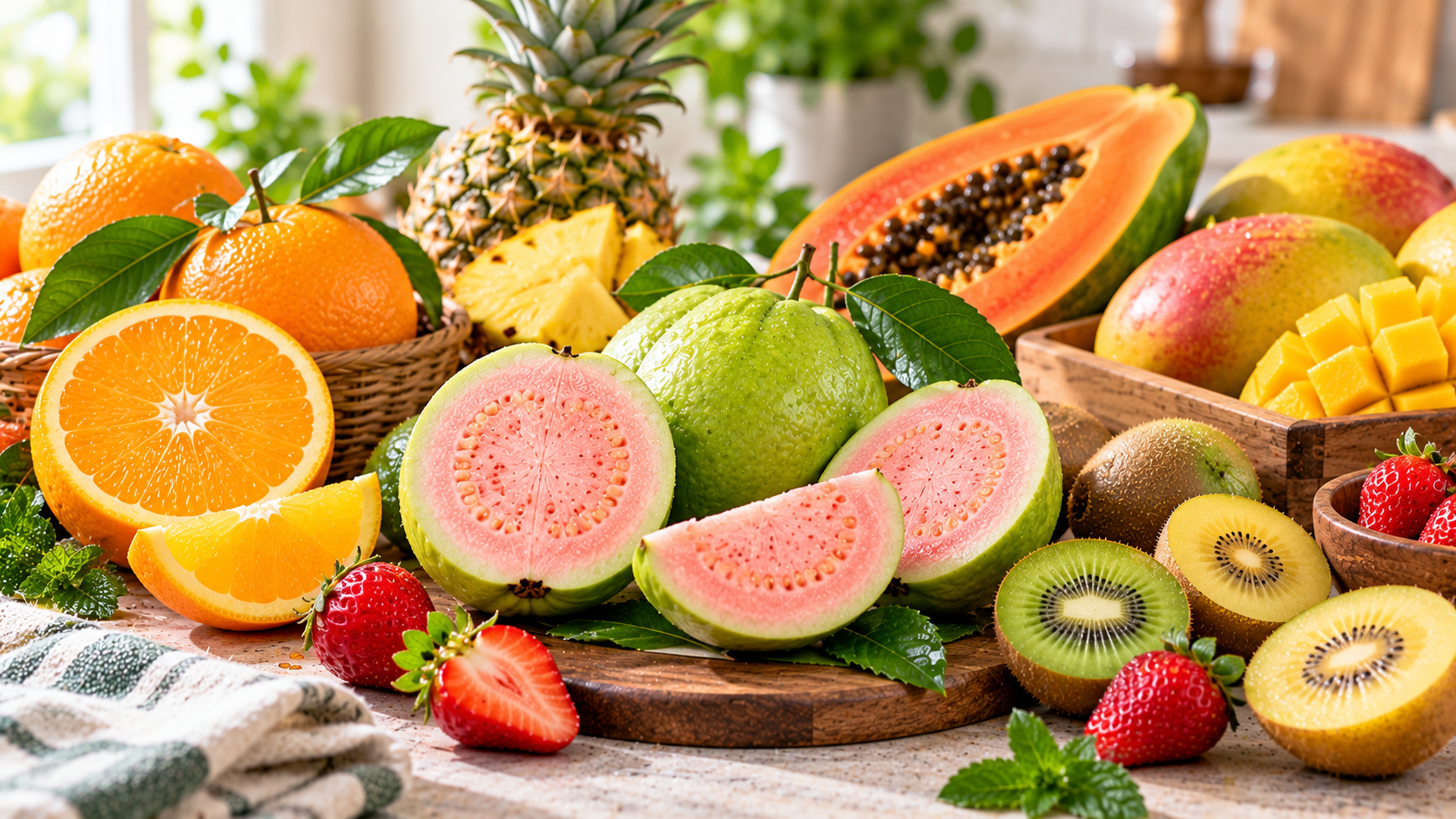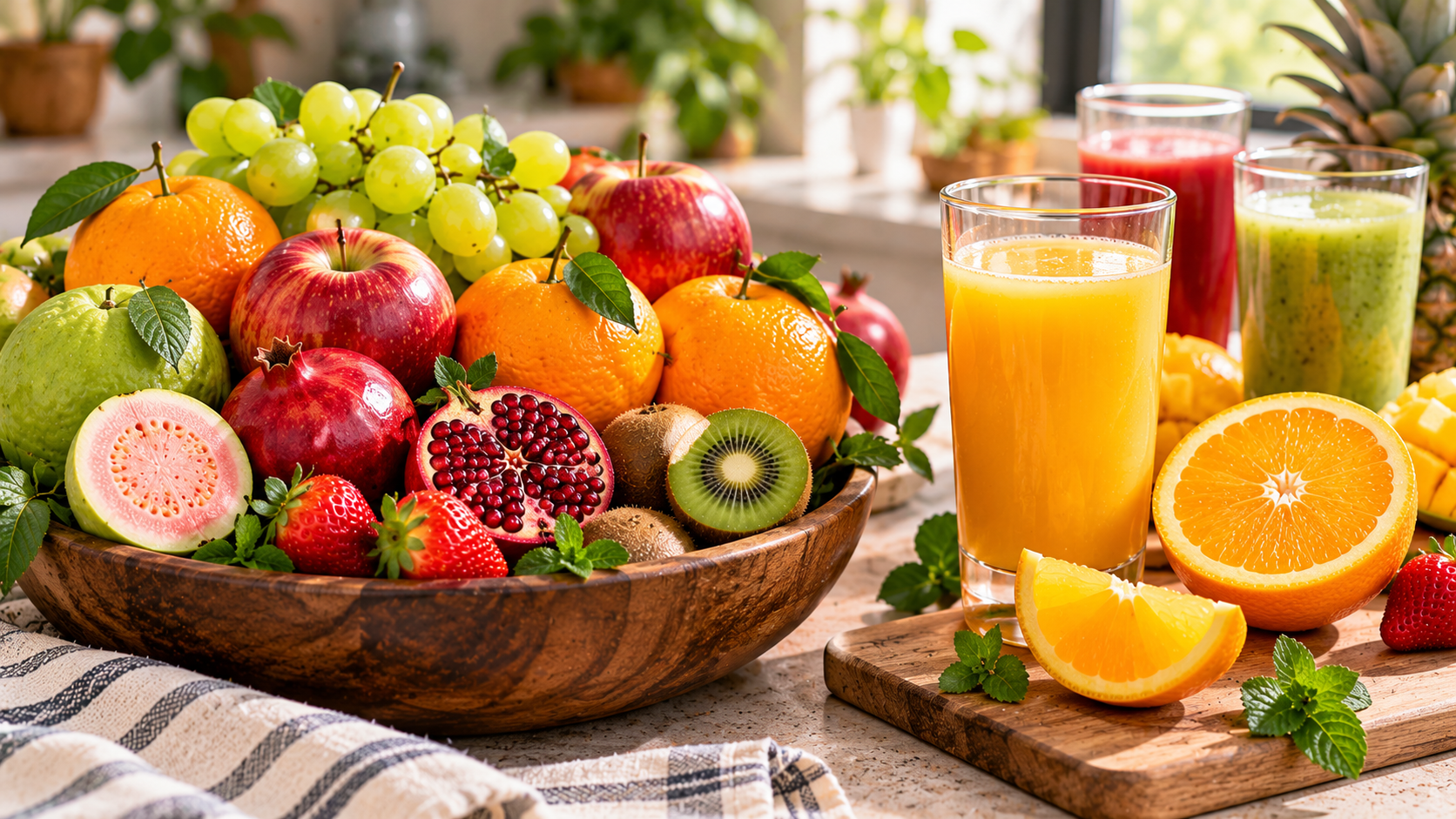

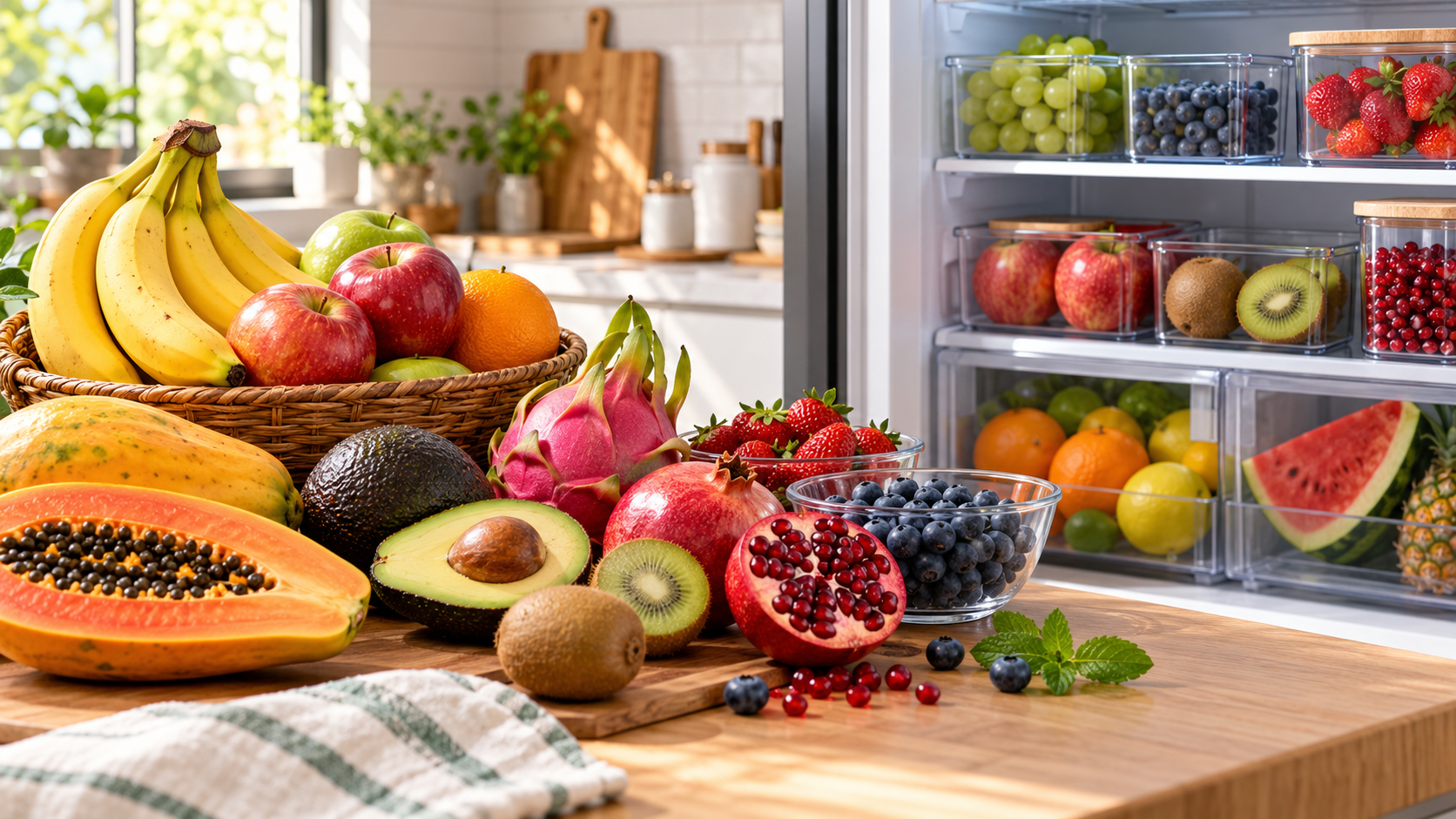
You bring home a bunch of bananas, crisp apples, fresh blueberries and a beautiful avocado. Everything looks perfect.
Two days later, the bananas are covered in dark spots, the blueberries are going soft, and the avocado is still as hard as a stone.
Sound familiar?
Here's something many people overlook: buying fresh fruit is only half the job. How you store it can make a big difference to its taste, texture and freshness.
And no, putting everything in the refrigerator isn't always the answer.
From everyday Indian favourites like papaya, guava and mosambi to premium fruits like kiwi, dragon fruit and avocado, each fruit has its own storage needs.
This guide will help you understand what belongs in your fridge, what should stay in your fruit basket, and how to avoid common mistakes.
The Quick Answer: Which Fruits Belong in the Fridge?
If you remember only one thing from this article, make it this:
Different fruits need different treatment depending on how ripe they are.
Here's a simple starting point.
Ripen on the counter first: Bananas, mangoes, papayas, pears, avocados and firm kiwis.
Refrigerate promptly: Grapes, blueberries and other delicate berries. Apples also maintain their quality longer when refrigerated.
Refrigerate after cutting: Watermelon, muskmelon, pineapple, papaya, pomegranate arils and other cut fruits.
Keep cool and use soon: Whole pineapples and ripe fruits you plan to eat shortly.
These are practical home-storage guidelines, not strict rules for every variety. Ripeness, room temperature and packaging also matter.
In a hot Indian kitchen, fruit can deteriorate much faster than it would in a cool, well-ventilated room.
Why Do Some Fruits Ripen After You Buy Them?
The answer involves a natural plant hormone called ethylene.
Some fruits continue ripening after harvest. Bananas, pears, avocados, mangoes and kiwis are familiar examples.
Ethylene helps trigger processes such as softening and changes in colour, aroma and flavour.
This explains why keeping a firm avocado near an apple can help it ripen sooner.
It also explains why you shouldn't automatically store all your fruits together for a week.
Other fruits, including grapes and most berries, will not become significantly sweeter after they have been picked. They are better kept cool and eaten while their quality is good.
The useful rule is simple:
Ripen what needs ripening. Refrigerate what needs protecting. Eat what is ready.
How to Store 15 Popular Fruits at Home
1. Apples: Keep the Crunch
Apples look beautiful in a fruit bowl, but they generally keep their crisp texture longer in the refrigerator.
Store them in your fridge's produce drawer, ideally in a suitable produce bag that allows some airflow.
Check for bruised or damaged apples and use those sooner.
Apples also produce ethylene, so avoid storing them directly alongside fruits or vegetables that are sensitive to it.
Tokriii pick: Explore fresh and premium apples, including Royal Gala, Pink Lady and Washington varieties, subject to availability.
2. Bananas: Let Them Ripen Naturally
Unripe bananas belong on the counter, away from direct sunlight and excessive heat.
Refrigerating them too early can interfere with normal ripening and affect their appearance.
Once bananas are fully ripe, refrigeration can help slow further softening. Their peel may turn dark, even when the flesh remains usable.
If your bananas become very soft but are still wholesome, peel and freeze them for smoothies.
Quick tip: Don't buy only fully ripe bananas if you want fruit for several days. A mix of ripeness levels can be more practical.
3. Pears: Counter First, Fridge Later
Many pear varieties continue ripening after purchase.
Leave firm pears at room temperature and check them daily.
For varieties that soften as they ripen, a gentle press near the stem can help indicate readiness. Once ripe, move them to the refrigerator.
Not every pear variety has the same ideal eating texture, so consider the variety and your preference.
4. Avocados: Timing Is Everything
Few fruits seem as confusing as avocados.
One day they're hard. Another day they're perfectly creamy. Leave them too long, and they may become overripe.
Keep firm avocados at room temperature until they yield slightly to gentle pressure.
Once ripe, refrigerate them if you aren't eating them immediately.
After cutting, cover the exposed flesh, place it in a sealed container and refrigerate promptly.
A little lemon juice on the exposed surface can help slow browning, although it won't prevent spoilage.
5. Kiwis: Know When to Chill
Firm kiwis can soften at room temperature.
If you want to speed ripening, placing them near an apple can help because kiwis respond strongly to ethylene.
Once the kiwi becomes slightly soft and ready to eat, refrigerate it.
Keep ripe kiwis away from ethylene-producing fruits if you want to avoid further rapid softening.
Both green and gold kiwis make excellent additions to a breakfast fruit bowl.
6. Papaya: Wait for the Right Ripeness
An underripe papaya can continue ripening at room temperature.
As its skin develops more ripe colour and the fruit begins to yield gently, check whether it's ready to eat.
Once ripe, refrigeration can help preserve its quality for a little longer.
Cut papaya should be kept covered in the fridge and eaten promptly.
Avoid leaving a plate of cut papaya in a warm kitchen for hours.
7. Mangoes: Let the Aroma Develop
A firm mango may need additional time to ripen.
Keep it in a cool, ventilated area away from direct sunlight. Check for a characteristic fruity aroma and slight softness, remembering that ripeness signs vary by mango variety.
When ripe, move the mango to the refrigerator if you aren't eating it immediately.
Don't assume that every green mango is unripe or every yellow mango is ready. Different varieties have different colours.
8. Grapes: Keep Them Cold and Dry
Grapes generally store best in the refrigerator.
Leave them in their ventilated packaging or another suitable container that allows airflow.
Avoid washing an entire batch before storage unless you can dry it thoroughly. Excess surface moisture may encourage spoilage.
Rinse grapes under running water before eating.
And don't overlook the simple things: check the bunch for damaged or mouldy grapes and remove spoiled produce promptly.
9. Blueberries: Protect These Delicate Berries
Blueberries are convenient, but they need careful handling.
Refrigerate them soon after purchase. Keep them reasonably dry in suitable ventilated packaging and wash them just before eating.
Inspect the pack for damaged or mouldy berries.
Don't crush blueberries under heavier fruits or leave the container in a hot car.
A little attention to storage goes a long way towards protecting their delicate texture.
10. Oranges and Mosambi: Keep Them Cool
Whole oranges and sweet limes can sit in a cool fruit basket for short-term use.
Refrigeration usually helps them keep their quality longer, particularly during warm weather.
Choose fruits without obvious damage or mould.
Wash the outside before peeling or cutting, even when the rind won't be eaten.
11. Guava: Choose Your Favourite Texture
Some people love crisp guava, while others prefer it softer and more aromatic.
For crisp guava, refrigerate it promptly.
If you have a firm, underripe variety that you want to soften, allow it to ripen briefly at room temperature and check it frequently.
Once it reaches your preferred texture, refrigerate and enjoy it soon.
Try sliced guava with a light sprinkle of roasted cumin for a classic Indian snack.
12. Pomegranate: Keep the Goodness Protected
Whole pomegranates can be refrigerated to help maintain their quality.
Once opened, store the arils in a clean, covered container in the refrigerator.
Use a clean knife and cutting board, and wash the outside before cutting.
Pomegranate arils are convenient for curd bowls, fruit chaat and everyday snacking.
13. Dragon Fruit: Handle Gently
Dragon fruit is eye-catching, but it still needs thoughtful storage.
A whole, ripe dragon fruit can be refrigerated if it won't be eaten immediately.
Protect it from crushing and excessive handling.
After cutting, place the flesh in a covered container and refrigerate promptly.
Its striking appearance also makes it a beautiful addition to colourful fruit platters.
14. Watermelon and Muskmelon: Be Careful After Cutting
An intact, uncut melon may be kept in a cool place for short-term use, but storage conditions matter, especially in hot weather.
Before cutting, wash the rind under running water. Scrub firm rinds with a clean produce brush.
This helps reduce the transfer of dirt and microorganisms from the surface to the flesh during cutting.
Once cut, melon needs refrigeration.
Keep the pieces covered and cold, rather than leaving them on the dining table throughout the day.
15. Pineapple: Don't Wait for It to Get Sweeter
Pineapple behaves differently from fruits such as bananas and mangoes.
It does not develop significant additional sweetness after harvest.
A whole pineapple may be kept in a cool place briefly if you'll eat it soon, while refrigeration can help maintain quality when you need to store it longer.
After cutting, place the pieces in a clean, covered container in the fridge.
Pineapple is delicious in fresh fruit bowls, homemade salsa or a simple chilled snack.
7 Fruit Storage Mistakes That Can Cost You Money
Now that you know where popular fruits belong, here are seven common habits worth changing.
Mistake 1: Putting Every Fruit in the Refrigerator
Cold temperatures are useful for many fruits, but can affect the ripening and quality of some tropical fruits.
Better approach: Identify which fruits still need to ripen before chilling them.
Mistake 2: Leaving Ripe Fruit on the Counter Too Long
Once fruit is ripe, a warm kitchen can accelerate further softening and spoilage.
Better approach: Check your fruit basket daily and move suitable ripe fruits to the refrigerator when you won't eat them right away.
Mistake 3: Washing Berries Long Before Eating
Moisture left on delicate berries can affect their quality during storage.
Better approach: Keep berries dry and wash them under clean running water shortly before eating.
Mistake 4: Keeping Everything in One Crowded Fruit Bowl
Fruits have different ripening behaviours, and overcrowding can cause bruising.
Better approach: Give delicate fruits space and separate fruit you're trying to ripen from fruit you're trying to preserve.
Mistake 5: Using Soap to Wash Fruits
Fruit skins are not dishes.
The US Food and Drug Administration advises against washing produce with soap, detergents or commercial produce washes.
Better approach: Rinse under clean running water. Rub the surface gently and use a clean produce brush for firm-skinned fruits where appropriate.
Mistake 6: Leaving Cut Fruit Outside for Too Long
This is more than a freshness issue. It's a food-safety concern.
Refrigerate cut fruit promptly. Perishable foods that require refrigeration should not remain at room temperature for more than two hours, or more than one hour when temperatures exceed 32°C.
Keep the refrigerator at approximately 4°C or below.
Mistake 7: Buying More Than You Can Eat
A huge fruit basket looks appealing, but buying too much can mean more spoilage.
Better approach: Plan a few days of fruit snacks, choose different ripeness levels and use the most perishable items first.
Buying an amount you can realistically enjoy is often more useful than simply filling your refrigerator.
A 5-Minute Indian Fruit Chaat You'll Want to Make Again
Good fruit storage means more opportunities to enjoy delicious food.
Here's an easy fruit chaat that uses familiar Indian flavours without needing added sugar.
Ingredients
-
1 small apple, chopped
-
1 guava, chopped
-
1 orange or mosambi, peeled and separated
-
3 tablespoons pomegranate arils
-
A few fresh mint leaves
-
A squeeze of lime
-
A small pinch of roasted cumin powder
-
A little chaat masala, if preferred
Method
-
Wash your fruits under running water and prepare them with clean utensils.
-
Chop the apple and guava into bite-sized pieces.
-
Add the citrus segments and pomegranate arils.
-
Finish with mint, lime and roasted cumin.
-
Toss gently and serve immediately.
Want to make it more colourful?
Try adding kiwi, dragon fruit or a few blueberries.
For the best texture, prepare your fruit chaat close to serving time. If you need to prepare it in advance, keep it refrigerated.
The Simple Fruit Routine for Busy Indian Homes
You don't need an elaborate storage system. A small daily habit can make fruit shopping much easier.
Step 1: Create a Ripening Zone
Keep firm bananas, mangoes, pears or avocados in a cool, ventilated place when they still need to ripen.
Avoid direct sunlight and check them every day.
Step 2: Create a Ready-to-Eat Zone
Give apples, grapes, blueberries and suitable ripe fruits their own places in the refrigerator.
Avoid crushing delicate produce under heavier items.
Step 3: Create an Eat-First Plan
Before buying more fruit, check what you already have.
Use ripe fruit first, inspect for signs of spoilage and plan a quick breakfast bowl or fruit chaat around what needs eating.
This small habit may help you enjoy more of what you've purchased and throw away less.
Frequently Asked Questions About Fruit Storage
Should all fruits be stored in the refrigerator?
No. Some fruits, including bananas, mangoes, pears and avocados, may need to ripen at room temperature first. Grapes, berries and many ripe fruits benefit from refrigeration.
Can I refrigerate bananas?
Yes, after they are ripe. Their peel may darken in the refrigerator, but that doesn't automatically mean the flesh has spoiled. Check the fruit's condition before eating.
Should fruits be washed before storing?
Wash fruit thoroughly before preparing or eating it. Delicate fruits such as berries are generally better kept dry during storage and washed just before eating.
Can a hard avocado ripen in the refrigerator?
Refrigeration slows ripening. For a firm avocado that needs to soften, keep it at room temperature first, then refrigerate once ripe.
How long can cut fruits stay outside the fridge?
For perishable cut fruit, follow the food-safety limit of no more than two hours at room temperature, or one hour when the temperature is above 32°C. Refrigerate promptly rather than waiting until the limit is reached.
How do I know if fruit has spoiled?
Watch for mould, rot, unusual sliminess, leaking flesh or other signs of deterioration. Discard fruit that looks rotten or mouldy. Remember that harmful microorganisms may be present even when food looks normal, so good handling and refrigeration practices still matter.
How can I make fruits stay fresh longer in summer?
Keep temperature-sensitive fruits refrigerated, allow suitable unripe fruits to ripen in a cool location, avoid overcrowding and buy quantities you can reasonably consume.
Better Fruit Habits Begin Before the First Bite
Fresh fruit is one of life's simplest pleasures.
A crisp apple after breakfast. A bowl of juicy watermelon on a warm afternoon. A perfectly ripe avocado on toast. A colourful fruit chaat shared with family.
None of these experiences needs to be complicated.
Choose carefully. Store thoughtfully. Enjoy at the right time.
And remember: the best fruit basket isn't the biggest one. It's the one you actually enjoy.
Explore Fresh Fruits with Tokriii
At Tokriii, we bring together everyday favourites, seasonal selections and premium imported fruits in one convenient online shopping experience.
Our range includes apples, bananas, papaya, guava, kiwi, berries, avocados, dragon fruit and more, depending on availability.
Whether you're planning your family's weekly fruit bowl or trying something new, explore our collection and choose what suits your taste.
Explore Premium & Exotic Fruits
Visit Tokriii.com to browse the current selection and check delivery availability for your location.
Enjoy fresh. Store smart. Waste less.
Food Safety & Further Reading
The food-safety and ripening guidance in this article has been informed by established educational resources:
Storage needs vary with fruit variety, ripeness, handling, climate and refrigerator conditions.