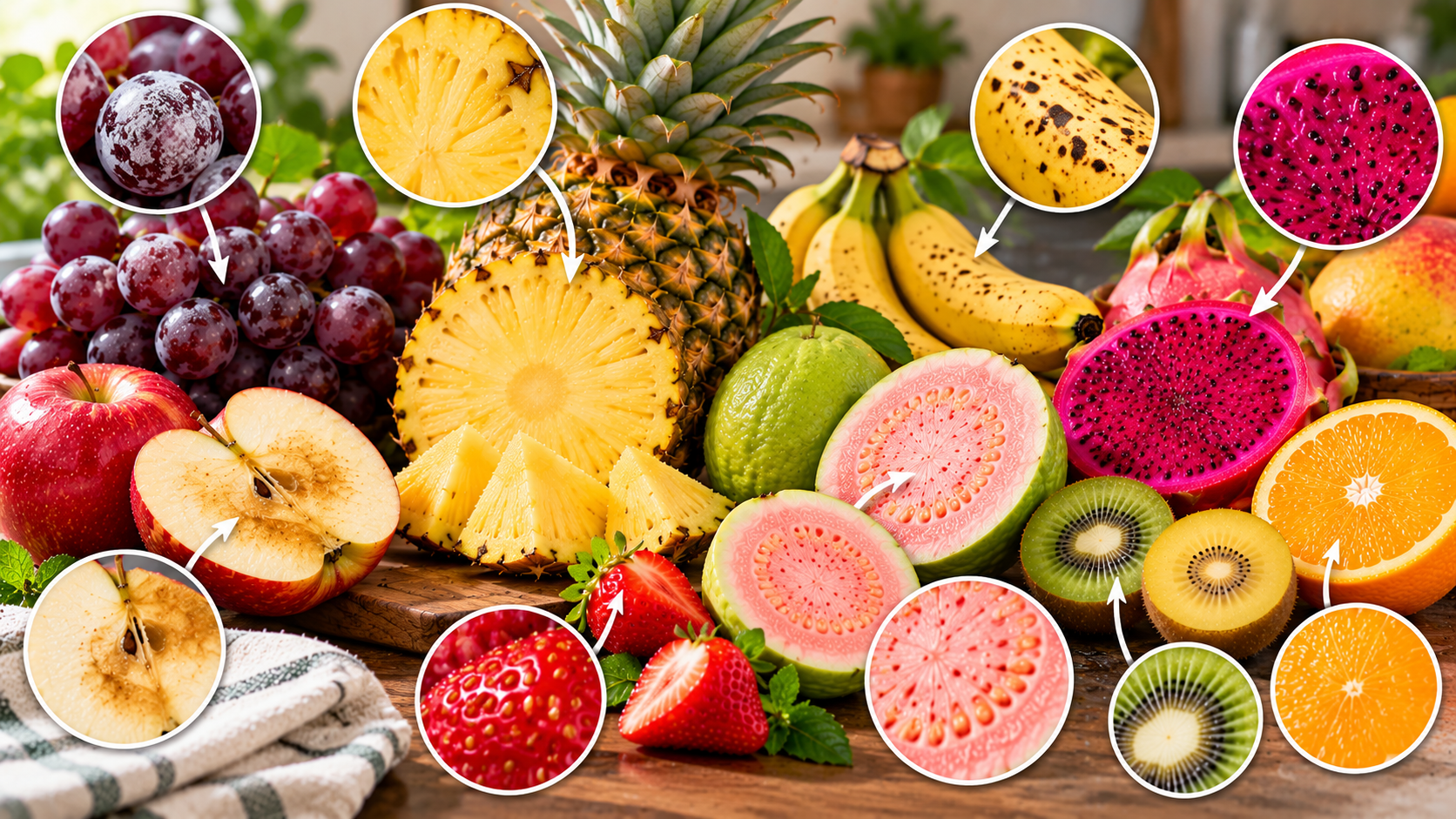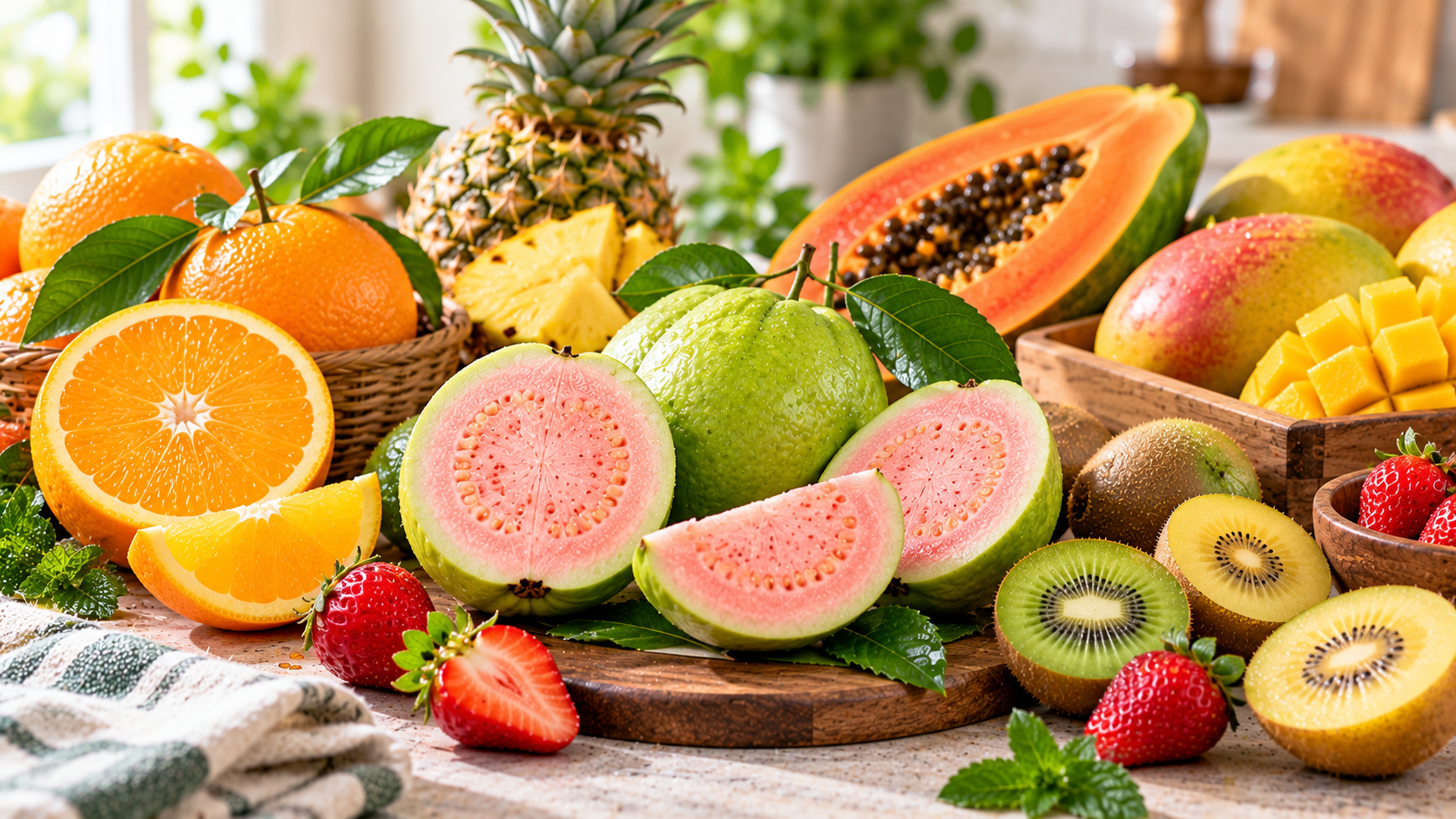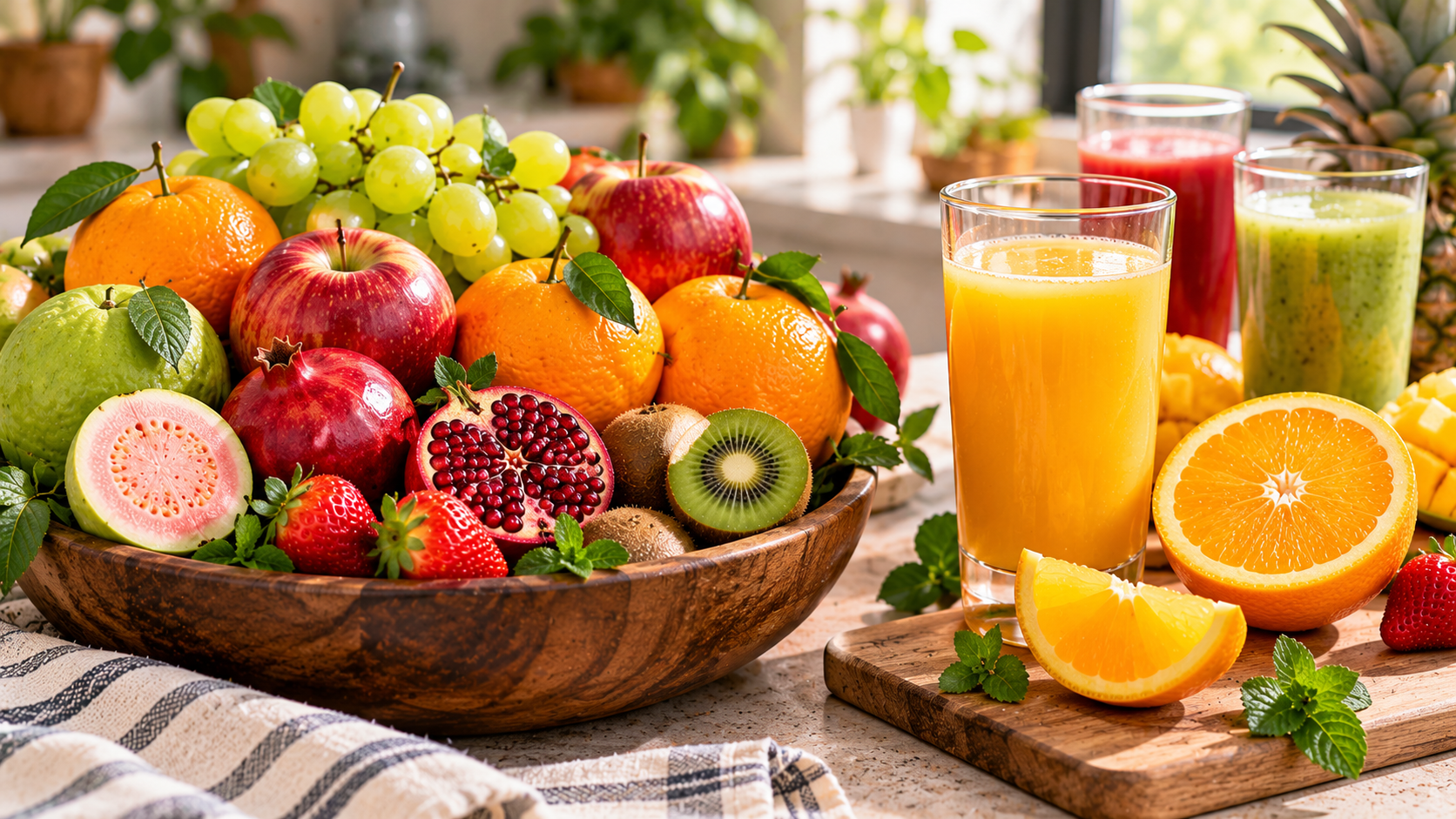

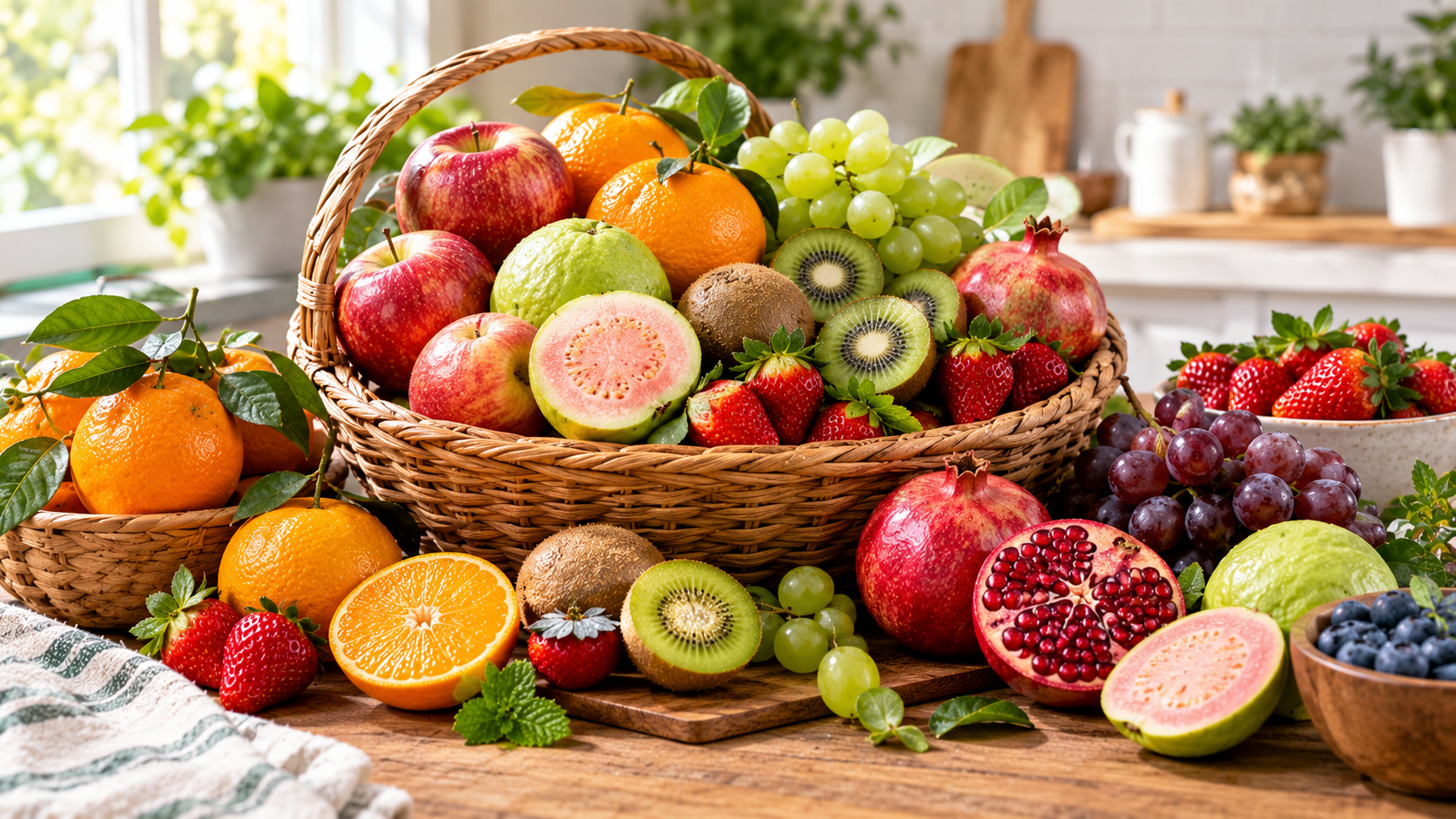
There's a certain charm to winter fruit shopping in India.
Sweet oranges begin appearing in markets. Guavas become beautifully fragrant. Apples look inviting in fruit baskets. And as the season progresses, grapes, strawberries and other favourites give us even more to enjoy.
But here's a question worth asking:
Just because a fruit is available in winter, does that mean it's actually in season?
Not always.
India has many growing regions, different climates and extensive fruit distribution networks. Some fruits are freshly harvested in winter. Others were harvested earlier and stored. A few are available throughout the year.
Understanding the difference can help you choose fruit with better flavour, plan your shopping and avoid paying extra simply because something looks unusual or premium.
So, what should you actually look for?
Here's your practical guide to 10 winter fruits in India, including when to buy them, how to select good-quality fruit and simple ways to enjoy them.
When Is Winter Fruit Season in India?
In much of northern India, the cooler months run approximately from November through February, with some winter fruit availability continuing into March.
However, India's fruit-growing seasons vary greatly by state, altitude, climate and variety.
For example, a fruit harvested in the Himalayan foothills may reach markets at a different time from fruit grown in Maharashtra or Rajasthan.
Imports and refrigerated storage can also extend market availability.
The important distinction: A fruit can be available during winter without being harvested locally in winter.
With that in mind, let's explore what makes these fruits worth looking for.
1. Guava (Amrood) — A Classic Indian Winter Favourite
Few fruits remind us of Indian winters quite like guava.
From street vendors selling sliced amrood with chaat masala to family fruit baskets, guava is a familiar seasonal favourite.
In many parts of northern India, the winter guava crop is especially important, with availability commonly extending from November into March.
What makes guava special?
Guava is naturally a good source of vitamin C and dietary fibre.
Its flavour varies by variety and ripeness, from mildly sweet and crunchy to softer and intensely aromatic.
White-fleshed and pink-fleshed varieties offer different eating experiences.
How to choose fresh guava
Look for:
-
Skin without major cuts, deep bruises or mould.
-
A pleasant, characteristic guava aroma.
-
Firmness that suits how you enjoy eating it.
-
No leaking juice or obvious soft, damaged patches.
Don't assume that greener guava is always better. Some varieties are enjoyable while firm, while others develop a richer flavour as they soften.
Delicious way to enjoy it
Slice fresh guava into wedges.
Add a small sprinkle of roasted cumin powder and a little lemon juice.
For a classic street-food-style snack, finish with a light pinch of chaat masala.
Tokriii pick: Explore Thai Guava and Thai Pink Guava in the premium fruit collection, subject to availability.
2. Oranges (Santra) — The Juicy Winter Essential
As the weather cools, oranges become a familiar sight in many Indian fruit markets.
Indian-grown mandarins and sweet oranges have different regional harvest seasons, but several popular varieties arrive during the cooler months.
Nagpur mandarins are particularly well known.
Why are oranges popular?
Oranges contribute vitamin C, water and fibre when eaten as whole fruit.
Their refreshing sweetness and gentle acidity make them easy to enjoy as a snack.
How to choose a juicy orange
Try these simple checks:
-
Pick fruit that feels reasonably heavy for its size.
-
Check for a healthy, intact rind.
-
Avoid obvious mould, leaking juice or severely damaged areas.
-
Look for fruit that feels firm but not excessively hard or dried out.
A completely smooth, bright orange peel does not guarantee sweetness.
Actual flavour depends on the variety and maturity.
Delicious way to enjoy it
Peel two oranges and separate the segments.
Add fresh pomegranate arils and finely chopped mint.
Serve chilled for a colourful citrus bowl.
Tokriii pick: Browse imported fruits for current citrus selections, including listed Malta and mini orange varieties when available.
3. Kinnow — The Winter Citrus Worth Knowing
If you live in Delhi, Punjab, Haryana or Rajasthan, you've probably seen kinnow appearing in markets during the colder months.
Kinnow is a mandarin hybrid widely cultivated in northwestern India.
Its main harvest period generally falls in winter, with timing varying by location and orchard.
What does kinnow taste like?
Kinnow is known for its juicy flesh and distinctive sweet-tangy citrus flavour.
It can be delicious eaten fresh or used for juice.
How to choose good kinnow
Choose fruit that feels heavy for its size and has sound skin.
A little natural colour variation is normal.
Avoid fruit showing serious decay or leaking juice.
Delicious way to enjoy it
Peel and eat the segments fresh, removing seeds as needed.
You can also use kinnow segments in a citrus salad with guava and pomegranate.
Shopping note: Kinnow availability varies by season and supplier. Check the current catalogue rather than assuming it's always in stock.
4. Amla (Indian Gooseberry) — Small Fruit, Distinctive Taste
Amla is deeply familiar in Indian food traditions.
Its naturally sour, astringent taste makes it different from most fruits in a conventional fruit bowl.
Amla harvests commonly occur in the cooler part of the year in several growing regions.
What makes amla interesting?
Amla is a notable source of vitamin C.
It's enjoyed in different preparations, including chutney, pickles and traditional recipes.
However, it's important not to confuse being nutritious with being a treatment for medical conditions.
No single fruit can guarantee immunity or cure illness.
How to choose fresh amla
Look for firm fruit with an intact surface.
Avoid fruit with mould, serious bruising or signs of decay.
Delicious way to enjoy it
For a simple chutney, combine chopped, deseeded amla with coriander, mint, ginger and a little water.
Blend until smooth and adjust seasoning to taste.
Amla's strong flavour means a small quantity can go a long way.
5. Apples (Seb) — An Autumn Harvest That Stays Popular in Winter
Apples are one of India's most familiar premium and everyday fruits.
But there's a useful fact many shoppers overlook.
In major Indian apple-growing regions, much of the apple harvest occurs before peak winter.
Apples are typically harvested during late summer and autumn, depending on variety and growing location.
Careful storage then helps maintain their availability into winter and beyond.
So an apple sold in January is not necessarily a freshly harvested January apple.
How to choose a good apple
Look for:
-
Firm fruit without deep bruises.
-
Skin free of obvious rot or punctures.
-
A variety that matches your preferred flavour.
-
A suitable size and pack quantity.
Different varieties offer different combinations of sweetness, acidity and crunch.
A crisp, tangy apple may be perfect for fruit chaat, while a sweeter variety may suit snacking.
Delicious way to enjoy it
Slice an apple and serve it with thick plain curd and a light sprinkle of cinnamon.
Or combine apple cubes with guava and pomegranate for a crunchy winter fruit bowl.
Tokriii pick: Explore premium apples, including Royal Gala, Pink Lady and Washington selections, depending on availability.
6. Grapes (Angoor) — A Favourite as Winter Turns to Spring
Grapes are associated with late winter and spring in many Indian markets.
According to the National Horticulture Board's broad fruit-availability calendar, grapes are commonly available from December into April.
The exact timing depends on growing region and grape variety.
What makes grapes enjoyable?
Grapes come in many varieties, each with its own combination of sweetness, acidity, texture and skin characteristics.
Some are crisp and mild, while others have a more noticeable fruity aroma.
How to choose fresh grapes
Check the bunch carefully.
Good grapes should generally look plump and intact, without widespread wrinkling, leaking or mould.
Check the condition of the stems, but remember that appearance varies with variety and handling.
Delicious way to enjoy them
Rinse grapes under running water before eating.
Serve chilled with orange segments and kiwi slices.
For younger children, cut grapes lengthwise into appropriately sized pieces to reduce choking risk.
Tokriii pick: Discover fresh fruits and premium grape varieties, subject to current stock.
7. Kiwi — A Colourful Addition to Winter Fruit Bowls
Kiwi may look small and ordinary on the outside, but its bright flesh and tiny black seeds make it one of the most visually distinctive fruits.
Kiwi is cultivated in some cooler regions of India, while imported supplies also reach Indian markets.
Availability in winter doesn't necessarily indicate local harvest.
Green kiwi vs golden kiwi
Green kiwi usually has a pleasantly tart flavour.
Golden kiwi is often sweeter and less acidic, although ripeness and variety influence the final taste.
Both are interesting choices for fruit bowls.
How to choose kiwi
If you want to eat it soon, choose a kiwi that yields slightly to gentle pressure without feeling mushy.
Firm kiwis may need additional time to ripen.
Avoid damaged, leaking or mouldy fruit.
Delicious way to enjoy it
Cut the kiwi in half and scoop out the flesh with a spoon.
Or slice it over plain yoghurt with blueberries.
Tokriii pick: Browse green and gold kiwi selections in the imported fruit category.
8. Strawberries — A Cool-Season Treat
Strawberries are especially appealing during the cooler months in several Indian growing regions.
Their season varies depending on climate, altitude and cultivation methods.
Areas such as Mahabaleshwar are well known for strawberry production.
What do strawberries taste like?
A ripe strawberry can be fragrant, sweet and pleasantly tart.
The balance varies by cultivar and ripeness.
How to choose fresh strawberries
Choose berries that look sound, without mould, leaking juice or extensive bruising.
Strawberries are delicate and should be handled gently.
Their shelf life is relatively short, so plan to eat them soon after purchase.
Delicious way to enjoy them
Combine sliced strawberries with plain thick curd and a few pieces of golden kiwi.
No added sugar is necessary if the fruit is sweet enough for your taste.
Availability note: Strawberry is a seasonal fruit, but that doesn't mean every fresh-fruit store carries it throughout winter.
9. Ber (Indian Jujube) — An Underrated Winter Fruit
Ber doesn't always get as much attention as apples or imported fruits.
But in parts of northern and western India, it's a familiar cool-season favourite.
Different ber varieties have different harvest windows, with several maturing during the winter months.
What does ber taste like?
Depending on the variety and ripeness, ber can be crisp and sweet-tart or softer and sweeter.
Some varieties have an apple-like crunch.
How to choose fresh ber
Look for fruit with sound skin and minimal bruising.
Choose the level of ripeness you prefer, since varieties can differ considerably.
Avoid any with signs of decay.
Delicious way to enjoy it
Wash thoroughly and enjoy whole, taking care around the hard central stone.
For a traditional snack, add a tiny pinch of salt or chaat masala if desired.
Ber is a good reminder that exploring different fruits doesn't always mean buying imported produce.
10. Custard Apple (Sitaphal) — A Sweet Early-Season Favourite
Custard apple is particularly popular around the transition from monsoon to the cooler months.
Many varieties mature during late summer and autumn, with some availability extending into early winter depending on region.
It's not generally a peak February fruit, so treat it as an early-season option.
What does custard apple taste like?
Ripe custard apple has soft, sweet, custard-like flesh.
Its creamy texture makes it very different from crisp apples or juicy citrus fruits.
How to choose custard apple
Choose a fruit suited to when you plan to eat it.
A ripe custard apple should soften gently, but it shouldn't be leaking or showing obvious spoilage.
Avoid excessive squeezing, which can damage the flesh.
Delicious way to enjoy it
Carefully open the ripe fruit and scoop out the flesh.
Remove and discard all seeds and the rind.
Enjoy the pulp fresh, or fold it into a small bowl of chilled plain curd.
Tokriii pick: Custard Apple (Sitaphal) has been listed in Tokriii's tropical fruit selection, subject to availability.
Winter Fruits in India: Month-by-Month Shopping Guide
Wondering what to buy in November, December, January or February?
Use this quick calendar as a general guide for Indian markets.
| Month | Fruits worth checking |
|---|---|
| November | Guava, oranges, amla, apples and late custard apple |
| December | Guava, oranges, amla, early grapes and regional strawberries |
| January | Oranges, kinnow, guava, grapes, strawberries and ber |
| February | Kinnow, grapes, guava, strawberries and ber |
| March | Grapes, with late-season guava, strawberries or ber in some regions |
These are approximate market and growing-season patterns, not guaranteed harvest dates or product availability.
India's climates vary greatly. A fruit that is seasonal in one state may be less readily available in another.
Shopping tip: Ask where the fruit was grown and check current availability instead of relying only on a fixed calendar.
What About Pomegranate, Mosambi, Papaya and Bananas?
You may notice that some familiar favourites aren't in the main winter list.
That's because they can be available across a much wider part of the year.
Pomegranate is produced through different harvest cycles in India.
Mosambi, papaya and bananas are commonly available across many months, depending on region and supply.
They're still excellent options for your winter fruit basket.
They simply shouldn't all be described as exclusively winter-harvested fruits.
For variety, try combining a seasonal fruit such as guava or orange with a year-round favourite such as banana or papaya.
Are Seasonal Fruits Healthier Than Imported Fruits?
This question comes up often, and the answer is more interesting than a simple yes or no.
Eating a variety of whole fruits can contribute important nutrients, including fibre, vitamins and minerals.
Seasonality may influence freshness, availability and price, especially when fruit is locally grown and has a shorter journey to market.
However, seasonal fruit isn't automatically more nutritious than imported fruit in every situation.
Nutritional composition depends on the fruit, variety, ripeness, handling and storage.
A fresh Indian guava can be a valuable part of your diet. So can an imported kiwi.
You don't have to choose one category exclusively.
A practical approach is to enjoy affordable seasonal favourites regularly and explore premium varieties when they suit your budget and preferences.
5 Smart Rules for Buying Winter Fruits
Before filling your basket, remember these simple rules.
1. Don't judge only by colour
A perfectly coloured apple or orange isn't guaranteed to be the sweetest.
Consider variety, firmness, aroma and condition.
2. Buy different levels of ripeness
If you're shopping for several days, choose fruit that can be eaten immediately alongside fruit that will ripen later.
This can help reduce waste.
3. Check the variety and pack size
A pack of premium apples or imported kiwis may have a different weight or quantity from a regular fruit purchase.
Always review what you're actually getting.
4. Store fruit appropriately
Some fruits need to ripen at room temperature before refrigeration.
Others, such as grapes and strawberries, benefit from refrigeration soon after purchase.
Keep cut fruit refrigerated.
5. Choose variety over hype
The most expensive fruit isn't automatically the best fruit for your family.
Choose different fruits for their taste, texture, nutritional contribution and convenience.
Three Easy Winter Fruit Snacks
Need inspiration beyond eating fruit plain?
Here are three simple ideas.
1. Guava & Orange Chaat
Combine chopped guava, peeled orange segments and pomegranate arils.
Add a little roasted cumin and fresh mint.
Serve immediately.
2. Apple, Kiwi & Curd Bowl
Add chopped apple and kiwi slices to thick, unsweetened curd.
Finish with a light sprinkle of cinnamon.
It's an easy breakfast or snack combination.
3. Winter Citrus & Grape Cups
Combine seedless grapes, orange segments and a few pomegranate arils.
Chill briefly and serve fresh.
These recipes are flexible. You can substitute fruits according to what's available and what your family enjoys.
Frequently Asked Questions About Winter Fruits in India
Which fruits are in season during winter in India?
Common seasonal favourites include guava, oranges, kinnow, amla, ber, grapes and regional strawberries. Timing varies by growing region, variety and weather.
Which fruits are available in December in India?
Depending on the region and supplier, you may find guava, oranges, amla, early grapes, apples and strawberries. Bananas, papaya and mosambi are also commonly available across much of the year.
Is apple a winter fruit in India?
Apples are widely sold during winter, but much of India's domestic apple harvest takes place earlier, during late summer and autumn. Storage extends their availability into colder months.
Which winter fruits contain vitamin C?
Guava, oranges, kinnow, amla, kiwi and strawberries can contribute vitamin C. The amount varies by fruit, variety and serving size.
Are winter fruits good for immunity?
Fruits can contribute vitamins and other nutrients needed for normal immune function as part of a balanced diet. However, eating a specific fruit cannot guarantee that you won't become ill.
Should I drink fruit juice or eat whole fruit?
Whole fruit generally provides more of the fruit's original fibre than strained juice. Enjoy juice if you like it, but don't assume it's nutritionally identical to eating the fruit whole.
Where can I buy fresh fruits online?
You can explore Tokriii.com for everyday, seasonal, premium and imported fruit selections. Check the current catalogue and delivery availability for your location before ordering.
Your Winter Fruit Basket Doesn't Need to Be Complicated
A great fruit basket isn't necessarily filled with rare or expensive varieties.
Sometimes it's a perfectly crisp apple.
Sometimes it's a fragrant winter guava sprinkled with roasted cumin.
Sometimes it's the first sweet orange of the season.
And sometimes it's discovering that you really enjoy golden kiwi or a new grape variety.
The best approach is to buy thoughtfully, enjoy variety and choose fruits that suit your family's tastes.
At Tokriii, we bring together familiar favourites and premium fruit selections in one convenient place.
Browse the current collection to find apples, grapes, guava, kiwi, citrus fruits and more, depending on seasonal availability.
Visit Tokriii.com to check available products and delivery options.
So, which fruit feels most like winter to you: guava, orange or something else?
Sources and Further Reading
-
National Horticulture Board — Availability of Fresh Fruits and Vegetables in India
-
ICMR–National Institute of Nutrition — Dietary Guidelines for Indians
This article is a general seasonal shopping guide. Harvest periods and market availability vary by region, climate, variety, storage and supply. Product listings are subject to change.